Backed by a Lifetime Motor Warranty.
.svg)


How restaurants and bars can turn outdoor comfort into measurable sales growth
Outdoor seating is one of the highest leverage profit centers in hospitality. Done well, it adds capacity, extends service hours, increases guest dwell time, and creates a “destination” feel that drives repeat visits. Done poorly, it becomes a liability. Guests avoid sun-baked tables, complain about glare, and cut meals short when wind, bugs, or sudden weather makes the space uncomfortable.
This case study-style article explains how a well-designed patio shade program can create revenue uplift for restaurants and bars. While each venue is different, the workflow, KPIs, and design principles are consistent. We will walk through a realistic hospitality scenario from baseline conditions through shade system design, installation, and measurable outcomes. You will also get a practical model you can adapt to your own patio, plus lessons learned that reduce risk.
If you want to see the types of systems used in hospitality patios, start with Commercial Shades.
To make this useful, we will anchor the discussion to a representative venue. The name is a placeholder, but the conditions reflect what West Shore Shade commonly sees in Florida and coastal markets.
The patio was profitable only in limited windows. It performed well on mild mornings and some evenings, but it underperformed during peak revenue periods.
The result was a patio that looked great in photos but underdelivered in daily operations.
To evaluate revenue uplift, the venue tracked a simple set of numbers for 6 weeks. This type of baseline tracking is critical because it prevents “feelings-based” conclusions.
Daypart utilization
Average check size
Operational friction
The venue had capacity, but it was not convertible to revenue when conditions were uncomfortable.
A good shade project starts with diagnosis, not product selection.
The core theme was that overhead shade alone was not enough. The patio needed both overhead and vertical solutions to manage sun angles, wind, and insects.
The venue required a shade plan that improved comfort without making the patio feel closed or blocking visibility from the street, which was important for branding and curb appeal.
To explore the type of commercial system design used for restaurants, see Commercial Shades.
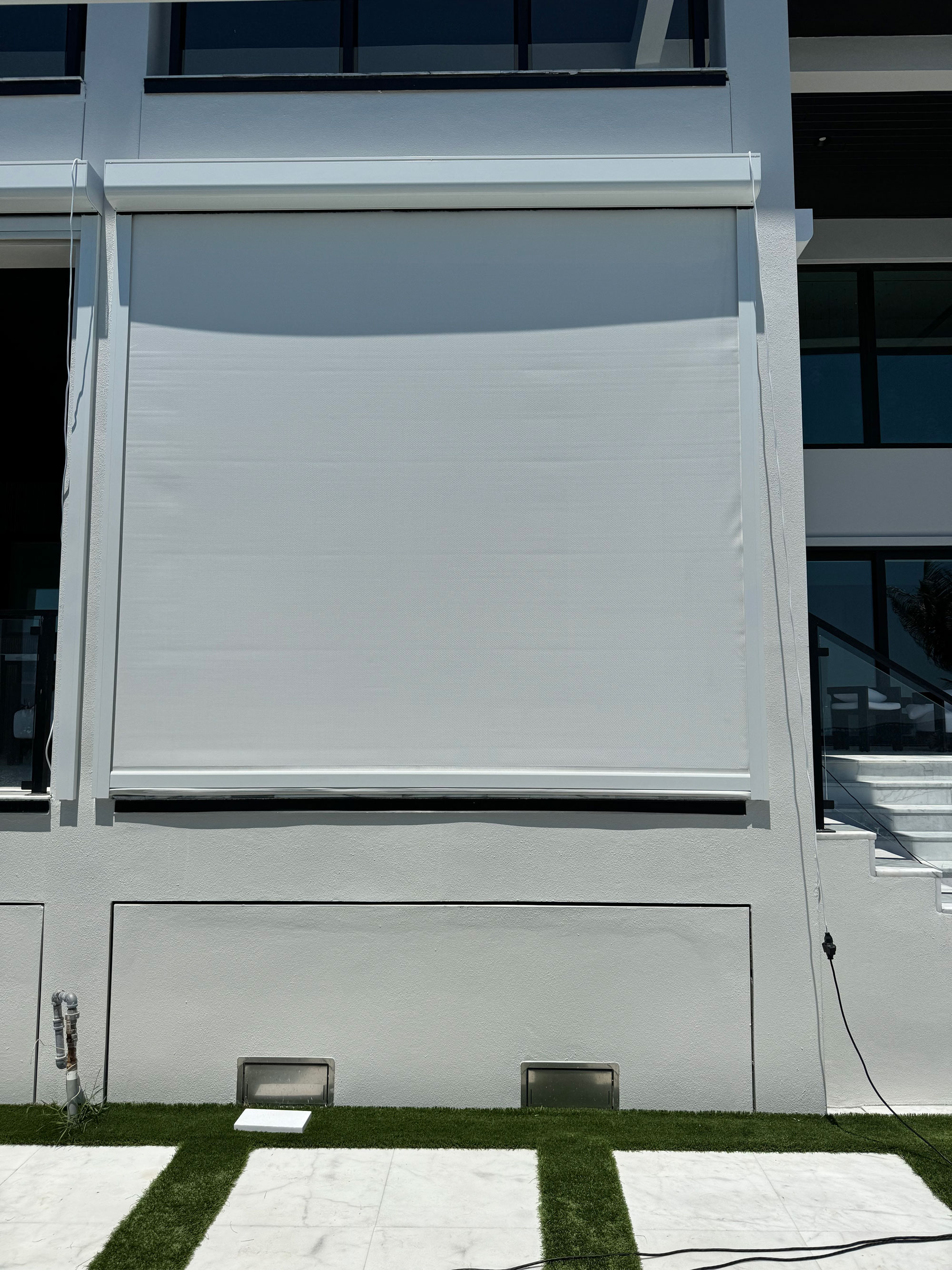
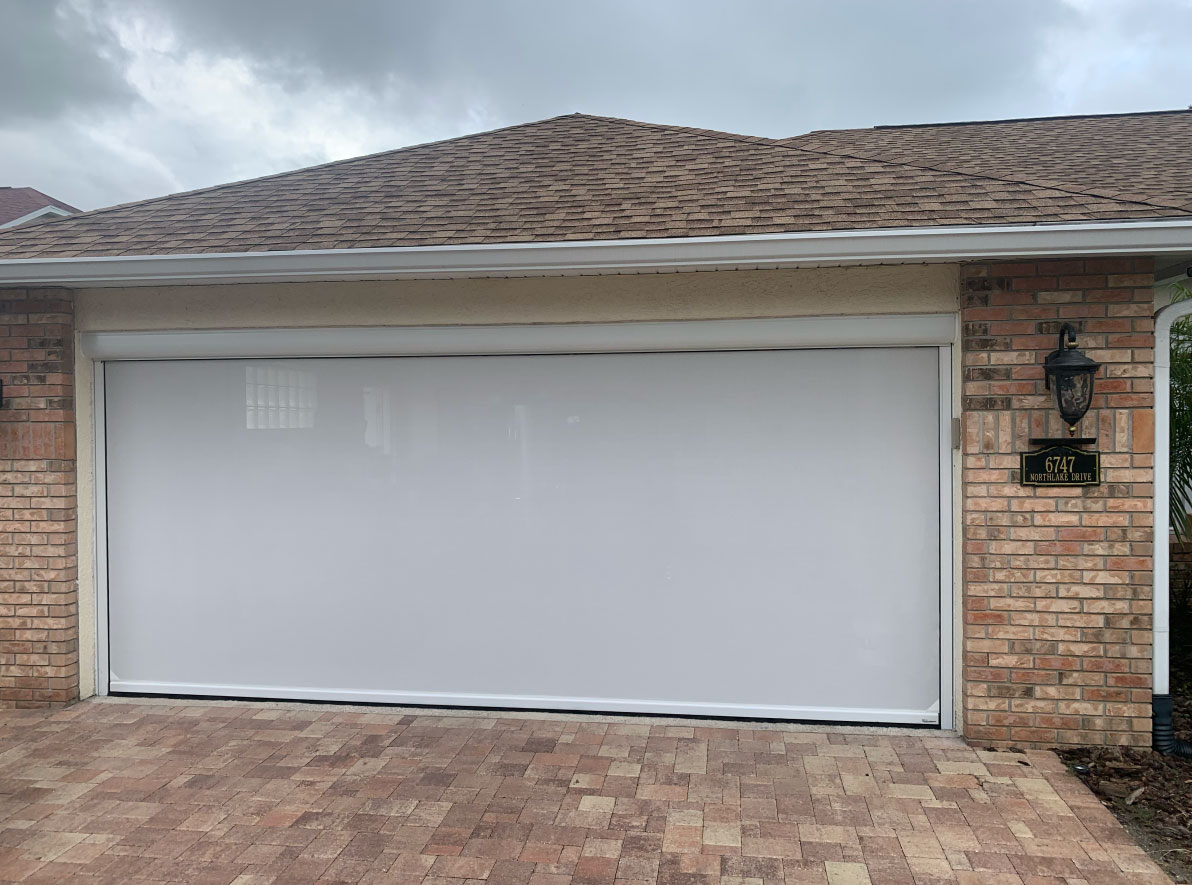
The biggest revenue pain was late afternoon sun and evening bugs. Motorized screens solve both.
If you want a deeper technical breakdown of screen systems and use cases, see Motorized Screens.
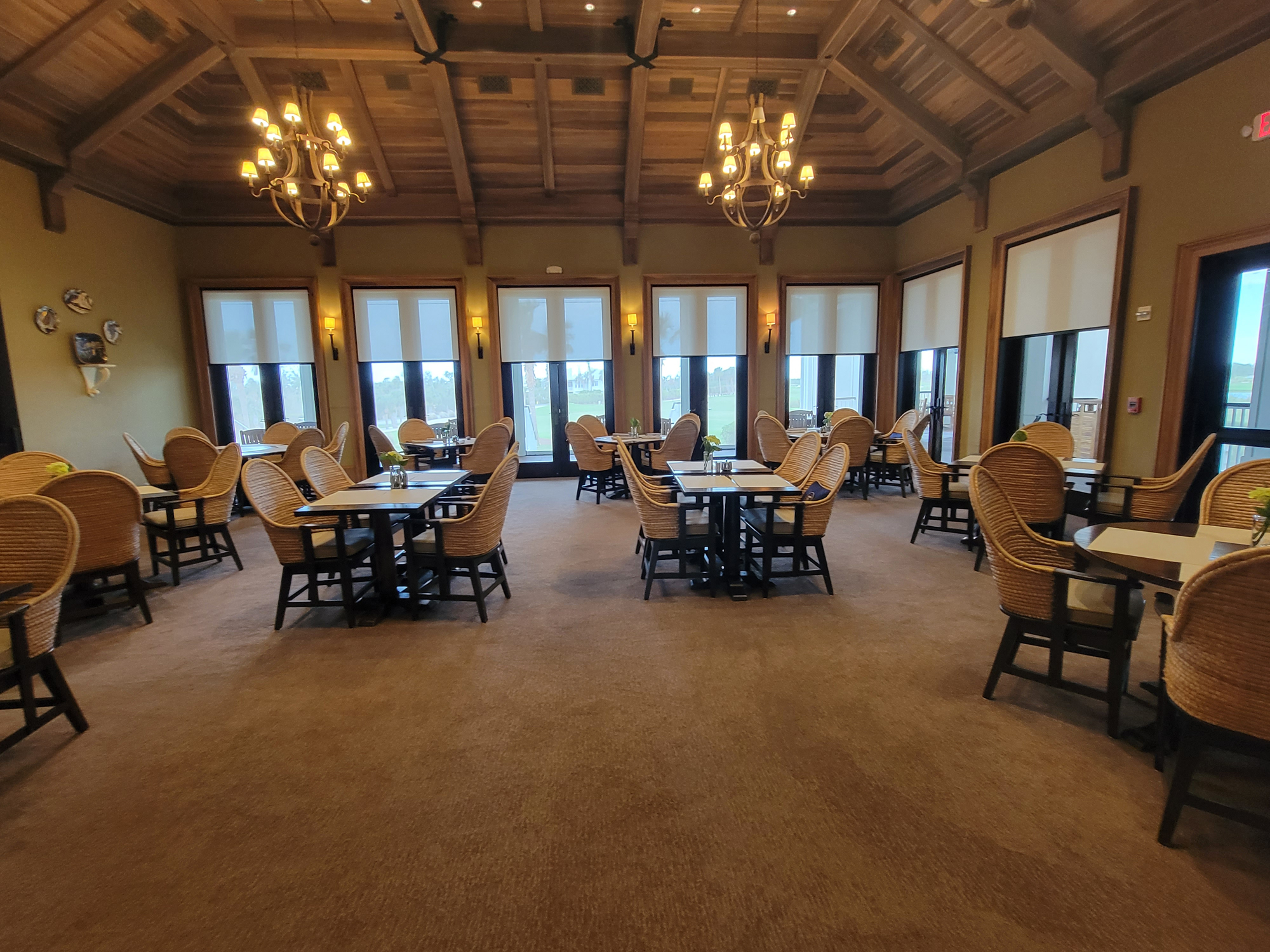
Restaurants must balance shade with visibility. Overly opaque fabrics can create a cave-like feel and reduce the “outdoor vibe” guests want.
Fabric choice matters not only for comfort but also for brand perception. A patio that looks premium attracts guests before they experience the shade benefit.
To understand how openness and color affect heat and comfort, see Patio Shade Fabrics Explained: Openness, Color, Heat.
Perimeter screens handled glare and side sun, but the hottest tables needed overhead relief.
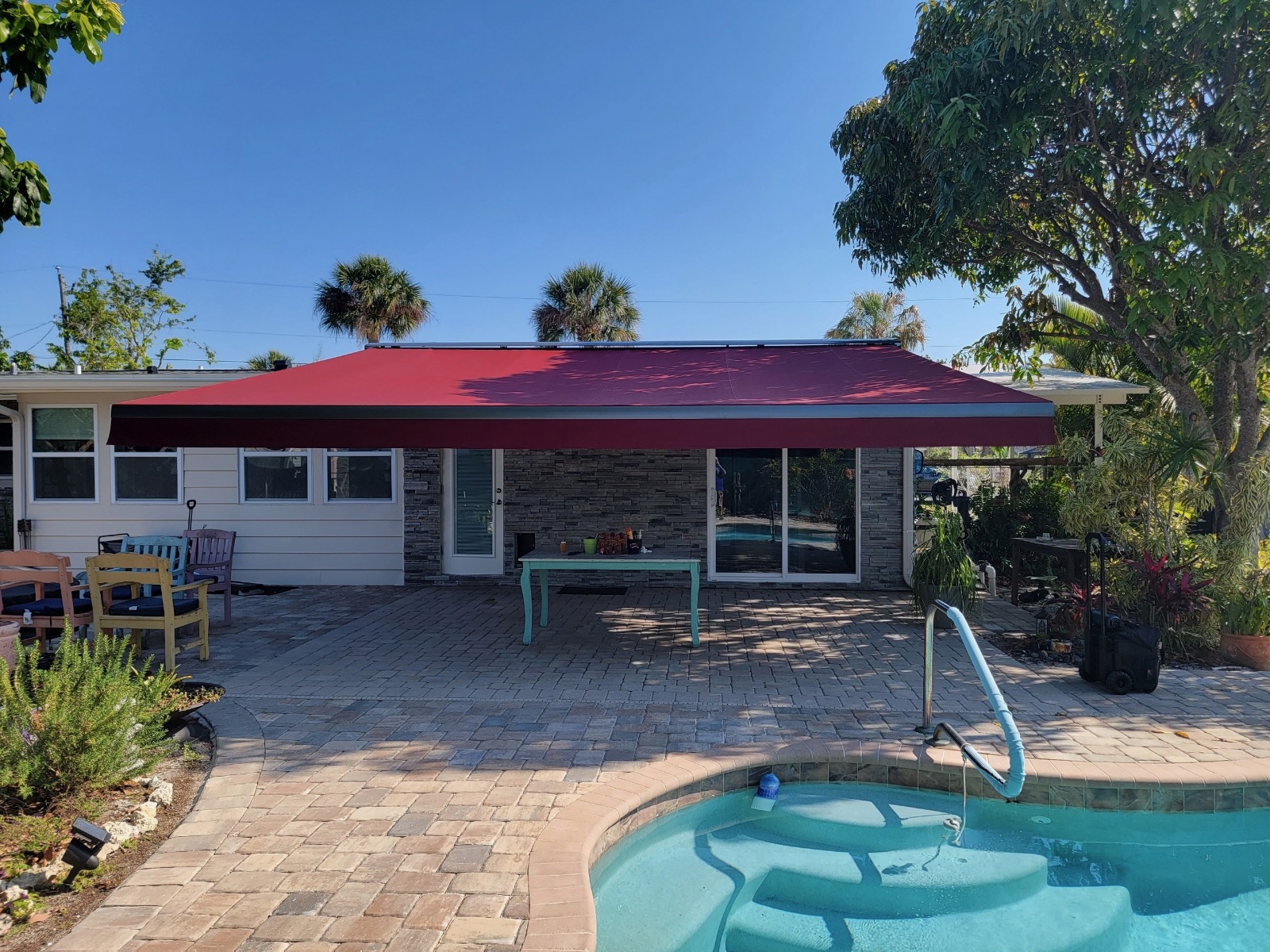
Awnings allowed the venue to keep the patio open for lunch without relying on umbrellas that tip, clutter, and provide inconsistent coverage.
For overhead shade options, see Awnings.
The best system is the one staff will actually use. Restaurants need fast, simple control.
The system was configured around scenes that staff could activate at the host stand.
To learn how smart controls and scenes work, see Smart Control Options for Motorized Outdoor Shades.
Commercial installs require minimal disruption. The venue scheduled installation during off-peak hours and confirmed all systems were tested before reopening normal patio seating.
This is also where venues benefit from having a maintenance plan. Regular cleaning and inspection protects performance and reduces downtime.
For maintenance fundamentals, see Maintenance Guide for Outdoor Shades and Screens.
The venue tracked the same KPIs for 8 weeks after installation. Weather patterns were similar enough to allow reasonable comparison.
Late afternoon utilization improved from 15% to 55% average.
This was the single biggest driver of revenue uplift because late afternoon is often a high-margin period for drinks and appetizers.
Before the upgrade, the patio dropped after dusk due to bugs. After perimeter screens were used in “bug time” mode, dinner utilization increased from 35% early dinner and 20% after dusk to a consistent 55% across dinner hours.
Guests stayed longer and ordered more drinks when the patio was comfortable.
Reviews mentioning “too hot,” “bugs,” and “glare” dropped sharply. Positive comments about the patio experience increased.
Hosts stopped “avoiding the patio” during certain times of day. Staff time spent relocating guests decreased. This reduced stress and improved flow.
Even without exact numbers, the mechanics are clear. Here is a simplified model any venue can use.
Revenue uplift comes from:
If a patio has 40 seats:
That difference is 16 seats of usable capacity.
If turnover is 1.5 cycles in late afternoon, that can translate into substantial incremental revenue.
The key is that shade converts “empty capacity” into “revenue capacity.”
Most patios fail in late afternoon because sun comes sideways. Perimeter screens are often the fix.
Complex control systems fail because staff do not use them. Scenes make shade operationally simple.
A patio that feels dark or enclosed can reduce guest appeal. Dark solar mesh often improves visibility and comfort at once.
If guests are swatting mosquitoes or losing napkins to gusts, they will not stay. Screens solve both when designed correctly.
A patio shade system is a revenue tool. It deserves a simple maintenance plan to prevent downtime and keep the space looking premium.
If you want similar uplift, start with a structured process.
Measure utilization, closures, complaints, and check size.
Identify which side is causing glare and heat and which areas suffer from wind and bugs.
Combine vertical and overhead shade where needed.
Create scenes like lunch, sunset, and dinner.
Make sure staff can operate the system confidently.
If you want a broader planning framework, see Commercial Patio Shade Plans for Restaurants and Bars.
For Tampa Bay restaurants and bars, patio shade protects revenue by keeping outdoor tables usable through hot afternoons, passing storms and buggy evenings. Motorized screens block sun, glare and wind on demand, awnings shade the midday crowd, and staff can adjust everything quickly so guests stay seated longer instead of asking to move inside.
Outdoor dining here faces a specific mix of challenges. Strong west-facing afternoon sun can empty a patio right before the dinner rush. Summer thunderstorms, roughly June through September, can roll in fast and send guests scrambling. Waterfront venues deal with no-see-ums near mangroves and canals at dusk, mosquitoes after rain and lovebug seasons in spring and late summer. Salt air and wind on the Pinellas beaches add wear that inland patios rarely see.
Venues in Channelside, downtown St. Petersburg, Clearwater Beach and Madeira Beach often depend on patio seating for their busiest hours. Learn about our motorized shades in Channelside and motorized shades in Clearwater Beach.
They can help a lot with wind-driven rain and gusts during typical afternoon storms. Side-tracked screens hold steady and let staff close the exposed sides quickly. During severe weather or tropical systems, screens should be raised and guests moved inside, so planning for both situations is important.
Waterfront venues usually want a fabric that cuts glare and heat while keeping the view. A darker color with moderate openness tends to preserve visibility from inside the screen. If no-see-ums are a problem at dusk, a finer insect mesh on the most exposed sides can make evenings more comfortable.
It should be simple. We set up zones and clear labeling so a host or manager can raise or lower each side with a remote or wall control. Grouping screens by sun exposure means the team can respond to changing conditions in a few seconds.
Book a free on-site consultation and our own install crew will review your patio's sun, wind and layout, then give you a quote in person after measuring. Every tubular motor we install carries a lifetime motor warranty. Call (813) 252-6813, explore our commercial shades, or request your free consultation online.
Free In-Home Estimate
Leave your name, phone and ZIP. Our local Gibsonton team will call to set up a free measure. No pressure, no obligation.
No pressure and no guesswork. One local team takes you from first call to final install.
Call (813) 252-6813 or send a quick form. Tell us what you want to shade and we will set a visit time that works for you.
We measure your space, bring real fabric and finish samples, and give you a detailed, no-obligation quote. Prefer to see it first? Walk into our Gibsonton showroom.
Our own crew installs. No subcontractors. Every job carries an itemized warranty, including a lifetime warranty on tubular motors.
Financing available through Enhancify. Serving Tampa Bay, Sarasota, Bradenton & Venice.
Seen something you like?
Every West Shore Shade quote is done in person, because every opening is different. Tap what you’re interested in and answer a few quick questions so we arrive prepared. A real person from our Gibsonton showroom calls to set up your free visit.
Custom-measured, professionally installed, and backed by a lifetime motor warranty. No pressure, no obligation — just a straight answer on what your space needs.
Call (813) 252-6813Pick your product, leave your number, and we'll call to set a time. No pressure, no obligation.
A West Shore Shade specialist will call you shortly to set your free in-home estimate. Need us sooner? (813) 252-6813
Prefer to talk? (813) 252-6813
“From the first consultation to final installation, the experience was seamless. Our Tampa patio now feels like a luxury retreat.”
“The motorized screens work flawlessly and look amazing. The team was professional, punctual, and so easy to work with.”
“The quality is top-notch and the installation was quick and clean. Highly recommend West Shore Shades.”