Backed by a Lifetime Motor Warranty.
.svg)


Outdoor seating is no longer a nice bonus for restaurants and bars. In many markets it is a core revenue stream. Guests want fresh air, comfortable temperatures, and an atmosphere that feels intentional, not improvised with a couple of umbrellas and a fan. The right patio shade plan can add usable tables, extend service hours, and turn marginal shoulder seasons into profitable ones. A poor plan, on the other hand, leaves seats empty when sun, wind, or sudden weather make guests uncomfortable.
This guide walks through how to design commercial patio shade that works in the real world. We will cover layout, shade types, fabrics, operations, and common mistakes, with a focus on restaurants and bars in Florida and other sunny coastal regions.
For restaurants and bars, shade is not only about comfort. It directly influences:
Well designed shade turns patio seating into a predictable part of your floor plan instead of something your staff only uses at certain times of day. That reliability is what drives real revenue.
If you want to see how other businesses approach this, the page on commercial shade systems gives a good overview of how restaurants, cafes, and venues are using motorized shades and exterior screens to protect outdoor seating.
Before you pick a product, get clear on what your shade plan needs to accomplish. Most commercial patios share six main goals:
A good commercial patio shade plan should address all six.
Before you design anything, walk the space at different times and treat it like a mini climate project.
Document these patterns over a few days. The best shade plans respond to reality on your property, not generic assumptions.
Most successful restaurant and bar patios use a mix of shade tools that work together. Think of them as parts of a system, not stand alone gadgets.
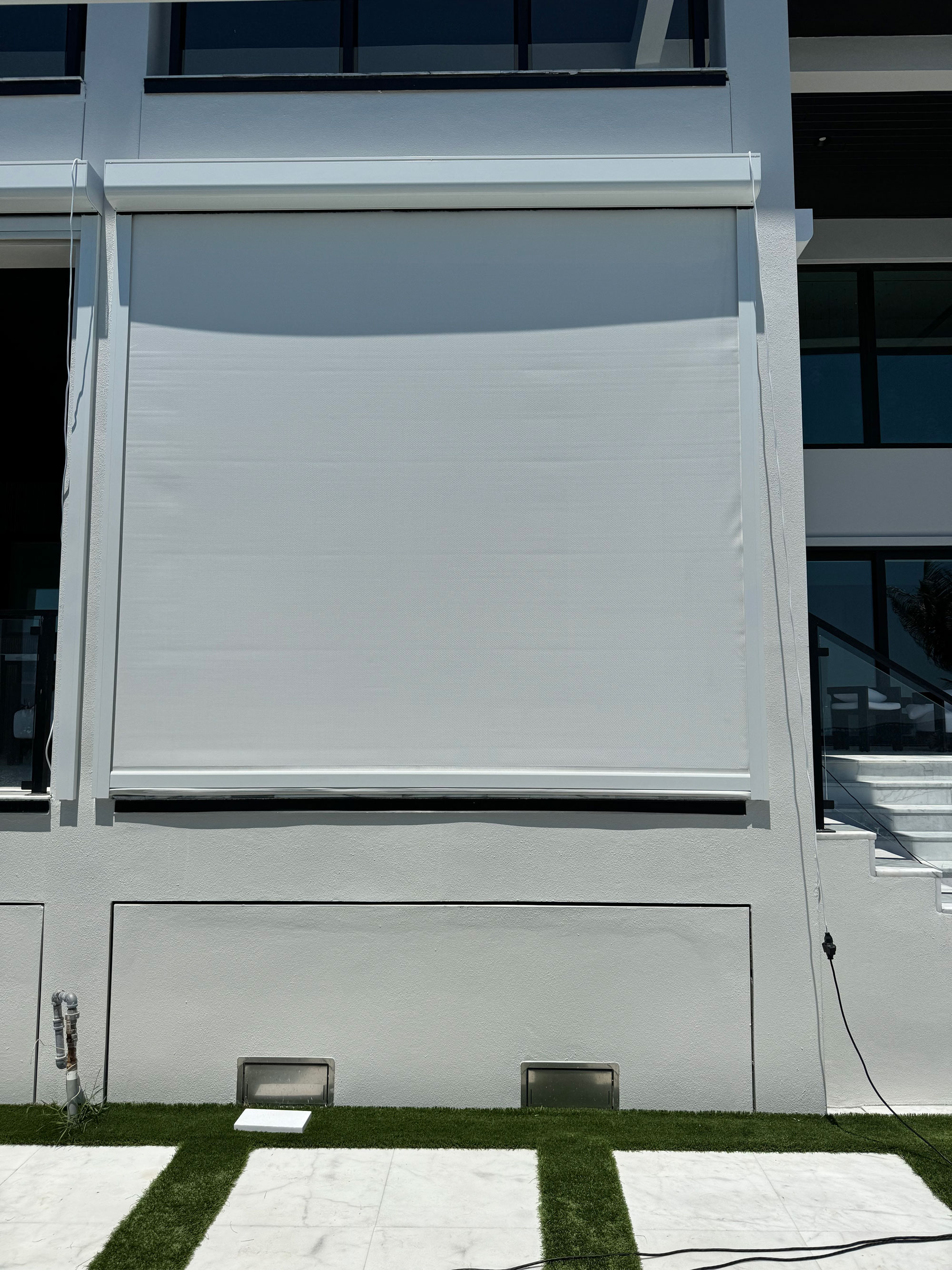
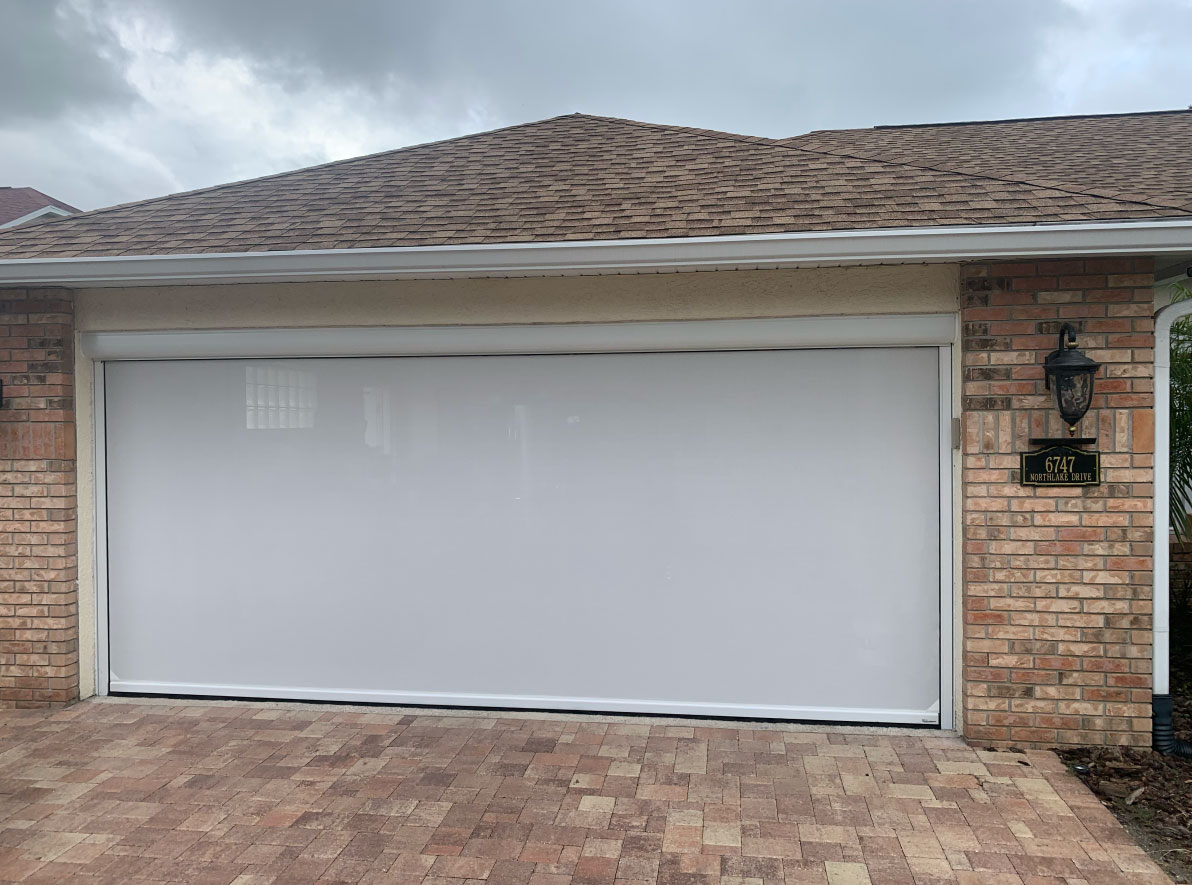
Motorized exterior screens are often the backbone of a commercial patio shade plan. Installed at the patio perimeter, they:
To see how these systems work and what they can block, the motorized patio screens buyer guide breaks down materials, wind considerations, and use cases that apply to both homes and hospitality.
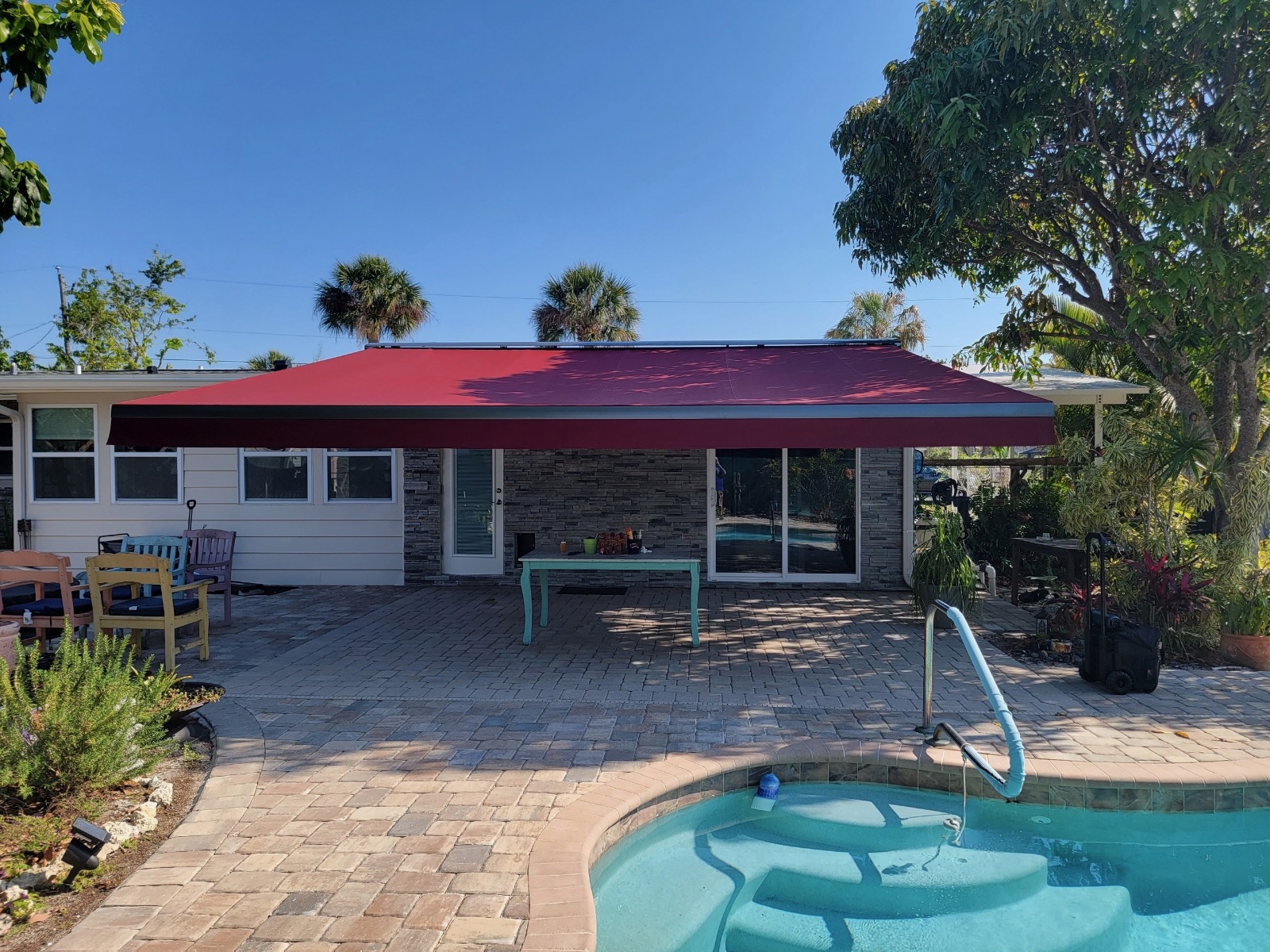
Retractable awnings or canopies solve the midday and overhead sun problem. They:
On restaurant patios without permanent roofs, awnings paired with vertical screens can turn exposed seating into a comfortable, semi enclosed room when conditions demand it.
In some layouts you do not need to enclose an entire perimeter. You may only need to shade a west facing section, bar counter, or row of two tops. In those cases, motorized outdoor shades for patios and decks can be used more surgically to create “comfort zones” exactly where they are needed.
These systems mount to beams, pergolas, or rooflines and drop straight down to shield a specific run of tables or a bar rail.
Indoors, you think in terms of bar seating, high tops, booths, and private dining. Outdoors should be no different. Good shade plans recognize distinct zones and treat them individually.
Guests at the bar spend longer periods in one seat. That makes shade and glare control especially important. For this area:
This is your core revenue engine. It needs:
Many operators use overhead awnings plus motorized screens at the sunniest edge so they are not rolling tables on and off the patio all day.
Here guests may tolerate more sun, but not a blast furnace. Usually:
When you plan shade per zone, you can allocate budget where it produces the best return.
Fabric choice is not just an aesthetic decision. It affects heat, glare, privacy, and how easy it is to keep your patio looking clean.
The article patio shade fabrics explained: openness, color, heat is a strong resource if you want to go deeper on how different weaves and colors behave on busy patios.
In a hospitality setting, expect:
Choose fabrics that resist staining and can be cleaned quickly without downtime.
In a busy service, staff do not have time to run around cranking shades one by one. This is where smart control and grouping really matter.
With modern systems, you can:
The article on smart control options for motorized outdoor shades explains how remotes, wall switches, apps, and automation can be combined to keep things simple for your team but powerful behind the scenes.
In most restaurants, the goal is to minimize the number of decisions staff need to make. A good control plan ensures the patio is comfortable more often, with less manual effort.
Commercial patios near the coast or on rooftops see more wind and weather stress than many homeowners realize. Failing to account for this leads to:
When designing your shade plan, you should:
Motorized screens and shades can be incredibly durable on commercial patios when they are sized and stabilized correctly from the beginning.
Your shade structures do more than block the sun. They become part of the look and feel of your restaurant at night.
Consider:
Well planned shade should enhance your ambiance all day, not just at noon.
Restaurant and bar patios share a familiar list of shade missteps:
Taking a system level view helps you avoid these pitfalls and choose solutions that actually get used.
For a broader sense of how different tools work together in Florida’s climate, the complete guide to outdoor shade systems in Florida is a helpful companion read.
You may not need to do everything at once. A smart phase plan can get you big wins quickly and then expand as budget allows.
A good commercial provider can help you design the big picture and then execute it in stages without having to redesign later.
Restaurant and bar owners have enough on their plates. Trying to engineer a commercial patio shade system by trial and error is expensive and time consuming. An experienced shade partner should be able to:
For operators in Tampa Bay and West Central Florida, you can confirm whether your location is covered by checking the service areas page.
In Tampa Bay, a good commercial patio shade plan keeps outdoor tables usable through intense sun, high humidity and quick summer storms. Motorized screens on the perimeter, awnings overhead and zoned controls let staff adjust the patio in minutes, so seats stay filled instead of empty when the weather changes.
Conditions vary by location. Patios in Downtown Tampa and Channelside deal with reflected heat from surrounding buildings and pavement, plus strong west-facing afternoon sun right during happy hour and early dinner. Waterfront spots in Clearwater Beach, St. Pete Beach and Madeira Beach face salt air and steady wind that call for durable hardware and fabrics.
Bugs matter too. Mosquitoes after afternoon rain and no-see-ums near mangroves and canals can empty a patio at dusk, and screens with the right mesh help keep guests comfortable. During hurricane season, June 1 through November 30, motorized systems are easy to raise and secure ahead of a storm.
Motorized screens can be raised quickly when strong wind arrives and lowered again once a storm passes, so staff can protect the system without closing the patio for the night. Wind sensors and zoned controls can automate part of that. The right setup depends on how exposed your patio is, which we check on site.
Motorized exterior screens on the west side usually work best, because they block low afternoon sun and glare that overhead awnings cannot reach. Pair them with overhead shade for midday heat. A darker screen color keeps views open to the street or water while making the bar area more comfortable for guests.
Often they do. Depending on the property, you may need landlord sign-off, and some locations require permits or other review for exterior changes. Requirements vary by city and building, so check with your landlord and local officials early. Our team can provide product details and documentation to support your application.
Book a free on-site consultation and we will walk your patio, map sun and wind, and recommend a commercial shade plan that fits your service flow. Quotes are given in person after we measure. Call (813) 252-6813 or request your consultation.
Free In-Home Estimate
Leave your name, phone and ZIP. Our local Gibsonton team will call to set up a free measure. No pressure, no obligation.
No pressure and no guesswork. One local team takes you from first call to final install.
Call (813) 252-6813 or send a quick form. Tell us what you want to shade and we will set a visit time that works for you.
We measure your space, bring real fabric and finish samples, and give you a detailed, no-obligation quote. Prefer to see it first? Walk into our Gibsonton showroom.
Our own crew installs. No subcontractors. Every job carries an itemized warranty, including a lifetime warranty on tubular motors.
Financing available through Enhancify. Serving Tampa Bay, Sarasota, Bradenton & Venice.
Seen something you like?
Every West Shore Shade quote is done in person, because every opening is different. Tap what you’re interested in and answer a few quick questions so we arrive prepared. A real person from our Gibsonton showroom calls to set up your free visit.
Custom-measured, professionally installed, and backed by a lifetime motor warranty. No pressure, no obligation — just a straight answer on what your space needs.
Call (813) 252-6813Pick your product, leave your number, and we'll call to set a time. No pressure, no obligation.
A West Shore Shade specialist will call you shortly to set your free in-home estimate. Need us sooner? (813) 252-6813
Prefer to talk? (813) 252-6813
“From the first consultation to final installation, the experience was seamless. Our Tampa patio now feels like a luxury retreat.”
“The motorized screens work flawlessly and look amazing. The team was professional, punctual, and so easy to work with.”
“The quality is top-notch and the installation was quick and clean. Highly recommend West Shore Shades.”