Backed by a Lifetime Motor Warranty.
.svg)


The modern garage has evolved far beyond vehicle storage. Across Florida and throughout the country, homeowners are transforming garages into creative spaces that support hobbies, side businesses, remote work, and artistic pursuits.
Today, garages commonly serve as:
The appeal is simple. Garages offer dedicated square footage, separation from the main living area, and flexibility that spare bedrooms often cannot provide.
The challenge is that garages were not originally designed for comfort or creativity.
Many homeowners quickly discover problems such as:
Opening the garage door helps with airflow, but it often creates new issues that interfere with creative work.
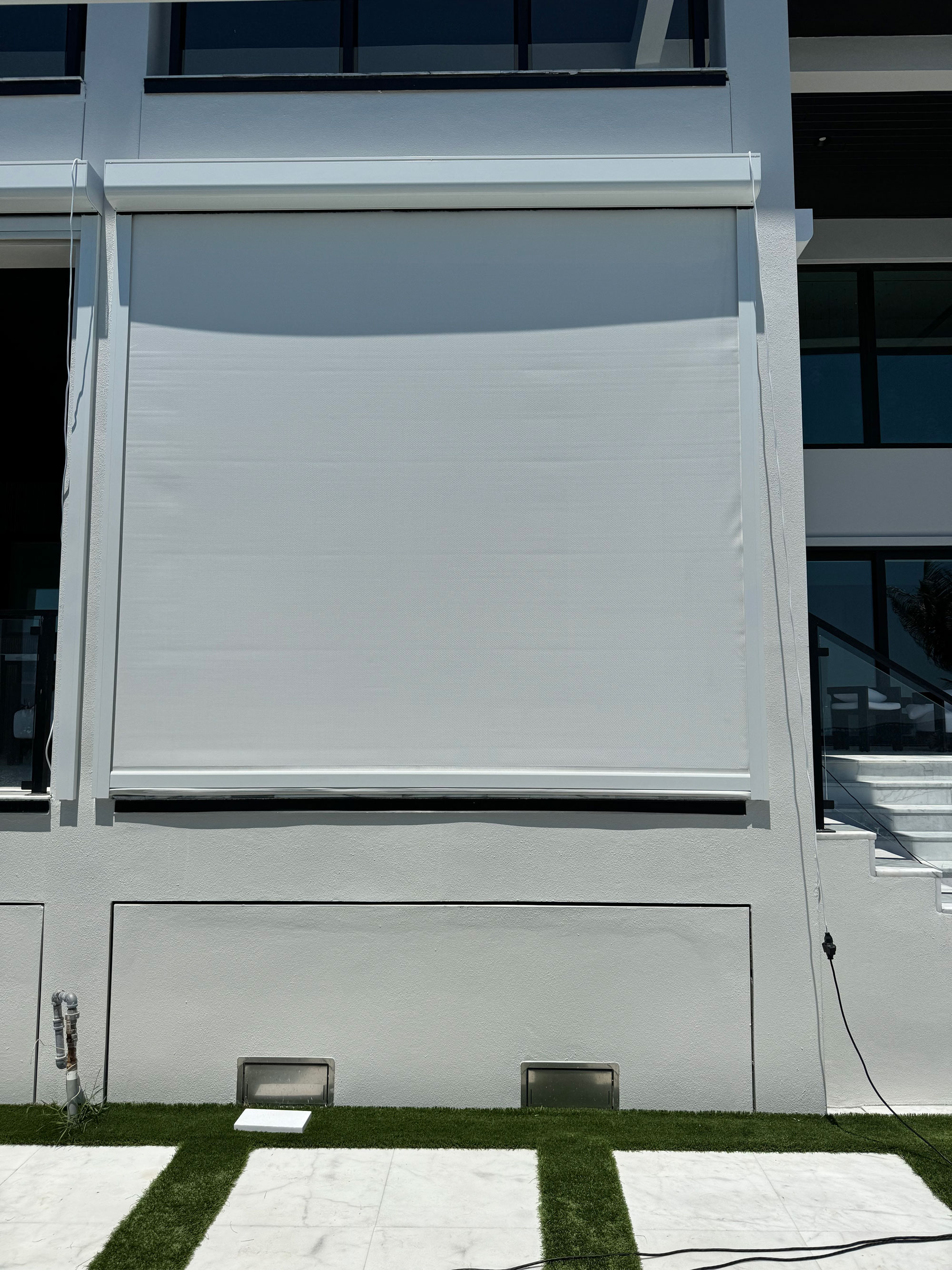
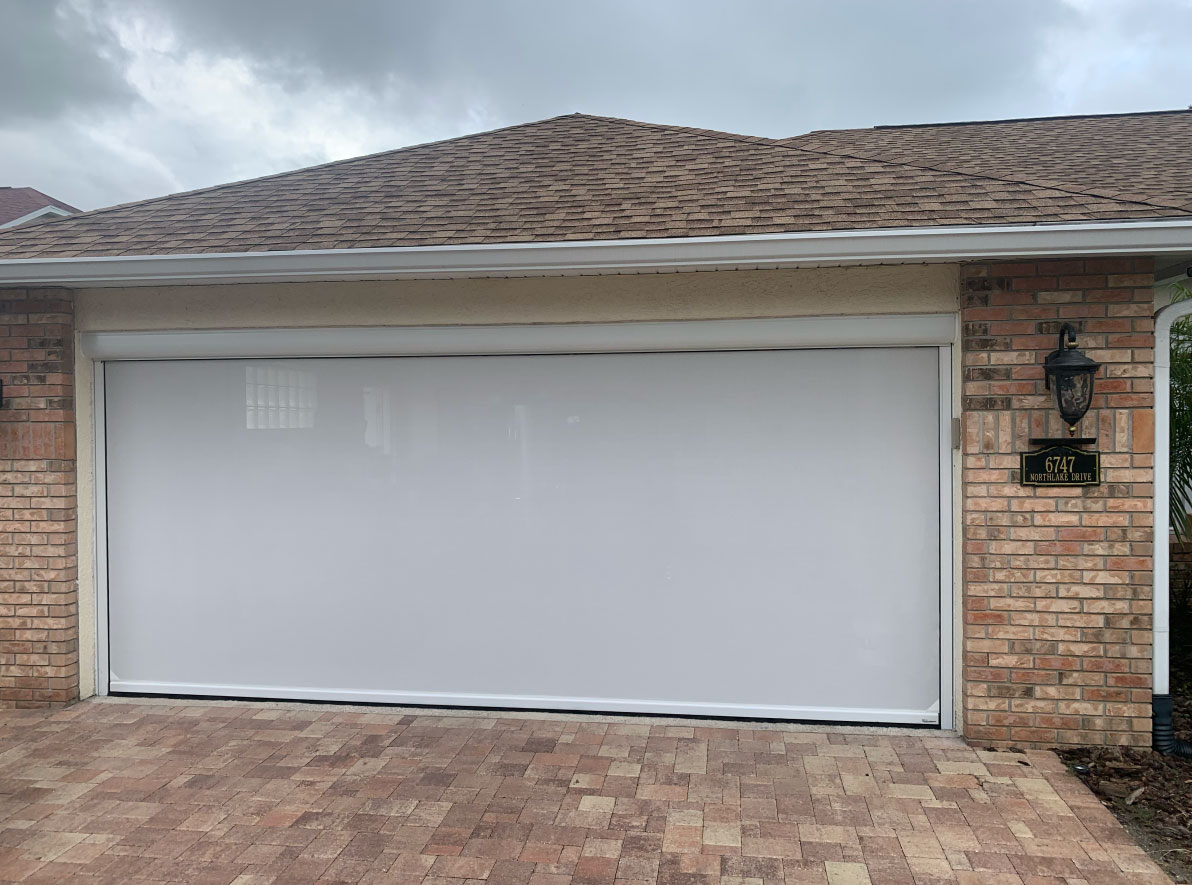
This is why garage screen systems have become one of the most effective upgrades for home studios, music rooms, and makerspaces.
The right garage screen transforms a garage from a basic storage area into a comfortable, functional workspace that supports creativity and productivity throughout the year.
Whether you're recording music, building prototypes, painting artwork, or producing online content, comfort directly affects productivity.
Poor airflow creates several problems:
These issues become more noticeable during long work sessions.
A musician recording for several hours or a maker working on a weekend project benefits significantly from improved ventilation.
Fresh air helps create a workspace that feels inviting rather than restrictive.
Garage screens allow air movement while maintaining control over the environment.
The most common solution for ventilation is simply opening the garage door.
While this increases airflow, it introduces multiple drawbacks.
Mosquitoes, flies, gnats, and other pests can quickly enter the workspace.
Leaves, grass clippings, dust, and pollen can blow into the garage.
Neighbors and passersby gain a direct view into the space.
Expensive equipment becomes visible.
Direct sunlight can create glare and uneven lighting conditions.
For creative work that requires concentration, these distractions can become frustrating.
Garage screens solve many of these problems while preserving the benefits of an open garage.
Creative work often benefits from a connection to the outdoors.
Natural light, fresh air, and a sense of openness can improve both mood and productivity.
A garage screen creates this connection while maintaining a controlled environment.
Benefits include:
The garage feels less like a storage space and more like a dedicated studio.
Homeowners considering a garage transformation should also review how garage door screens can turn garages into breezy rooms to understand the full range of possibilities.
Many musicians convert garages into rehearsal rooms, recording spaces, or production studios.
While sound treatment is often the primary focus, comfort should not be overlooked.
Music equipment generates heat.
Combined with Florida temperatures, these heat sources can make a garage uncomfortable.
Garage screens allow airflow without requiring the garage door to remain fully open.
This creates a more pleasant environment during rehearsals and recording sessions.
Content creators frequently use garages because they offer:
However, a closed garage can feel stuffy during long recording sessions.
Garage screens improve airflow while maintaining privacy.
Benefits include:
For creators who spend several hours at a time in the studio, these improvements can make a significant difference.
The maker movement has transformed garages into innovation hubs.
Modern makerspaces often include:
Many of these activities benefit from improved airflow.
Garage screens allow fresh air to circulate while helping keep pests and debris outside.
This creates a cleaner and more comfortable environment for building and creating.
Artists frequently seek natural daylight because it improves:
Artificial lighting can be useful, but natural light often provides a more pleasant working environment.
The challenge is controlling glare.
Direct sunlight can create:
Garage screens help diffuse incoming light.
The result is softer illumination that remains bright without becoming overwhelming.
Not all garage screens perform the same way.
Solar screen fabrics provide additional benefits beyond insect control.
They help reduce:
While still allowing:
For home studios and makerspaces, solar screen fabrics often provide the best overall balance.
If you are comparing fabric options, read Patio Shade Fabrics Explained: Openness, Color, Heat for a detailed breakdown of how different fabrics affect comfort and visibility.
Many homeowners do not want every project visible from the street.
Privacy concerns are common among:
Garage screens help reduce visibility from outside while preserving openness from inside.
Benefits include:
Garage screens are not soundproofing products.
However, they can still play an important role in recording environments.
Many home studios operate in phases.
Garage door remains closed.
Garage screen can be lowered for ventilation.
Garage screen provides airflow while maintaining separation from the outdoors.
Photographers often convert garages into flexible studio environments.
The space can be used for:
Garage screens help photographers take advantage of natural light while reducing direct glare.
Creative work often requires concentration.
Nothing interrupts workflow faster than:
Garage screens create a physical barrier while still allowing airflow.
Research consistently shows that uncomfortable temperatures reduce performance.
When garages become excessively hot:
Solar screen systems help reduce solar heat gain before it enters the space.
Homeowners interested in lowering temperatures and cooling costs can also explore Energy Savings With Exterior Shades in Hot Climates.
Many studios and makerspaces contain valuable equipment.
Solar screen fabrics help reduce UV exposure that can contribute to fading and material degradation.
Many homeowners use their studios on a schedule.
Motorized screens can be programmed to operate automatically based on:
Learn more about available technology in Smart Control Options for Motorized Outdoor Shades.
For most home studios and makerspaces, 3% openness offers the best balance.
West-facing garages often need stronger solar protection.
Frequent use demands durability.
Maximum openness may reduce privacy and heat control.
Studios often evolve over time.
Convenience increases long-term satisfaction.
Many of the same planning principles discussed in Shade Design Mistakes to Avoid on Coastal Properties also apply when designing high-performance garage screen systems.
Creative needs change over time.
A music studio may eventually become:
Garage screens continue providing value regardless of how the space evolves.
This flexibility is one reason homeowners continue to see value from motorized screen systems. For a broader perspective, review The Year-Round Benefit of Motorized Screens.
For Tampa Bay homeowners using the garage as a studio, music room or makerspace, a motorized garage screen keeps fresh air moving while helping keep bugs, debris and glare out. It makes long creative sessions more comfortable and retracts quickly when you need the full opening.
Garages in Carrollwood, Westchase, Lutz and Brandon trap heat fast, especially with a west-facing door in strong afternoon sun. High humidity is hard on instruments, paper and finishes, and summer thunderstorms from roughly June through September can blow rain and leaves into an open bay.
Mosquitoes after rain and lovebugs in spring and late summer love fresh paint and open workbenches. A screen gives you ventilation without turning your project into a bug trap, and it softens harsh light so you can see colors and details more clearly. Many master-planned communities have HOA architectural review, so approval may be required first.
Yes. Keeping the door open with a screen down lets fumes and fine dust vent outside while helping keep bugs from landing on wet finishes. Pairing the screen with a fan creates steady cross-ventilation, which is helpful during humid Tampa Bay afternoons.
No. A garage screen is built for airflow, shade and privacy, not soundproofing. Most musicians lower the screen for ventilation while practicing and close the garage door when recording or playing late, which is the courteous approach in close-knit Tampa Bay neighborhoods.
Yes. Solar screen fabrics make it harder to see in during the day while you can still see out. That keeps tools and equipment less visible from the street in places like Carrollwood or Brandon. At night with lights on inside, privacy is reduced.
Book a free in-home consultation and we will measure your garage and give you a quote in person. Explore our garage door screens, call (813) 252-6813, or request your consultation online.
Free In-Home Estimate
Leave your name, phone and ZIP. Our local Gibsonton team will call to set up a free measure. No pressure, no obligation.
No pressure and no guesswork. One local team takes you from first call to final install.
Call (813) 252-6813 or send a quick form. Tell us what you want to shade and we will set a visit time that works for you.
We measure your space, bring real fabric and finish samples, and give you a detailed, no-obligation quote. Prefer to see it first? Walk into our Gibsonton showroom.
Our own crew installs. No subcontractors. Every job carries an itemized warranty, including a lifetime warranty on tubular motors.
Financing available through Enhancify. Serving Tampa Bay, Sarasota, Bradenton & Venice.
Seen something you like?
Every West Shore Shade quote is done in person, because every opening is different. Tap what you’re interested in and answer a few quick questions so we arrive prepared. A real person from our Gibsonton showroom calls to set up your free visit.
Custom-measured, professionally installed, and backed by a lifetime motor warranty. No pressure, no obligation — just a straight answer on what your space needs.
Call (813) 252-6813Pick your product, leave your number, and we'll call to set a time. No pressure, no obligation.
A West Shore Shade specialist will call you shortly to set your free in-home estimate. Need us sooner? (813) 252-6813
Prefer to talk? (813) 252-6813
“From the first consultation to final installation, the experience was seamless. Our Tampa patio now feels like a luxury retreat.”
“The motorized screens work flawlessly and look amazing. The team was professional, punctual, and so easy to work with.”
“The quality is top-notch and the installation was quick and clean. Highly recommend West Shore Shades.”