Backed by a Lifetime Motor Warranty.
.svg)


Coastal living comes with incredible views, cooler breezes, and that distinctive salt air. It also comes with stronger wind, harsher sun, and more brutal wear on anything you install outside. Shade that works fine inland can fail quickly on the coast, rattle in the wind, corrode in a season, or block the very view you moved there for.
If you are planning shades, screens, or awnings for a waterfront home, it pays to be picky. Below are the most common shade design mistakes on coastal properties and how to avoid them so your investment looks good, works smoothly, and lasts in a salt air environment.
One of the fastest ways to waste money on a coastal shade project is to use standard hardware and finishes that are not built for salt. Corrosion shows up much faster near the water, and what looks fine in a catalog can pit, stain, or seize in a year or two by the coast.
Look for:
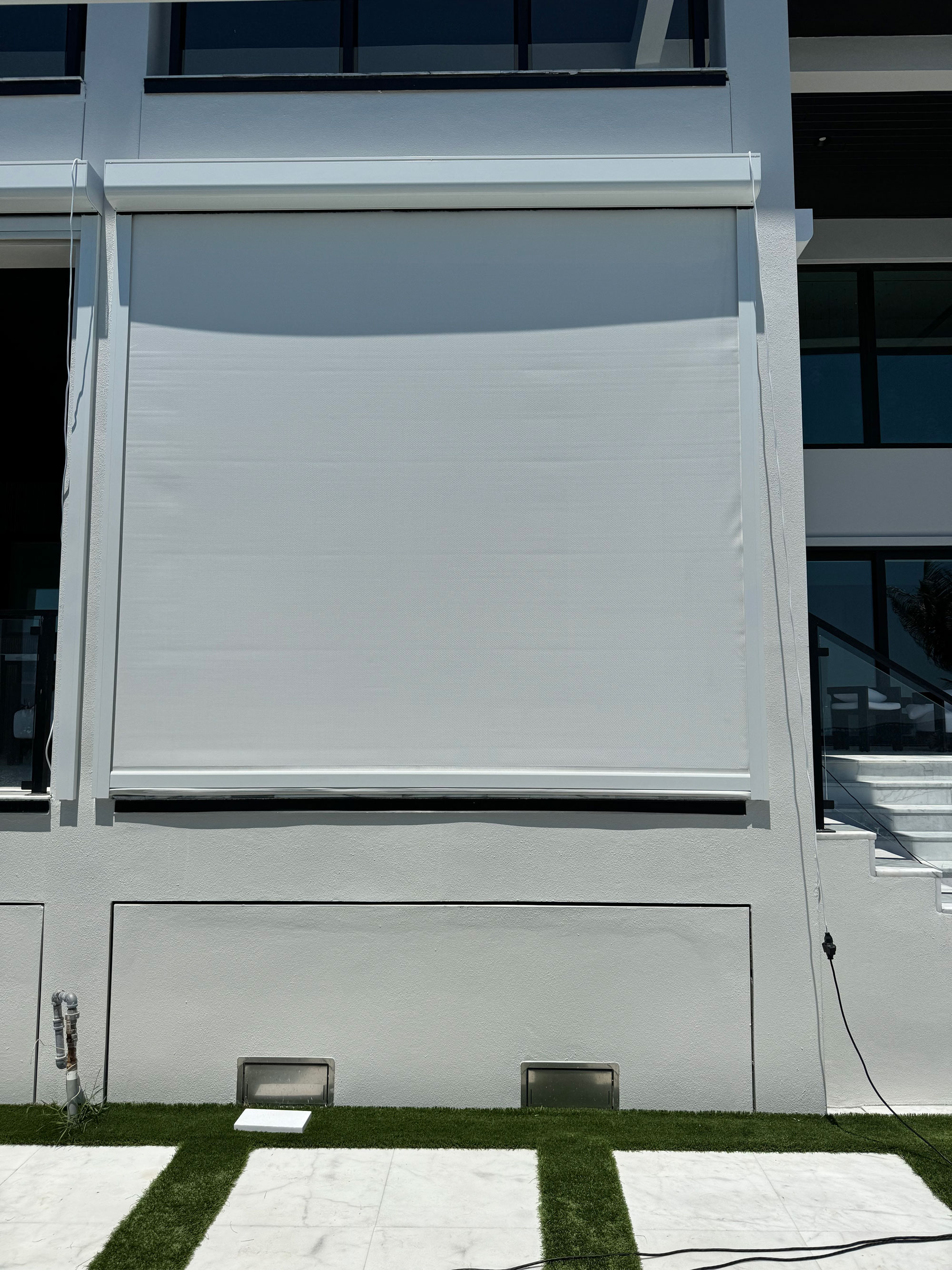
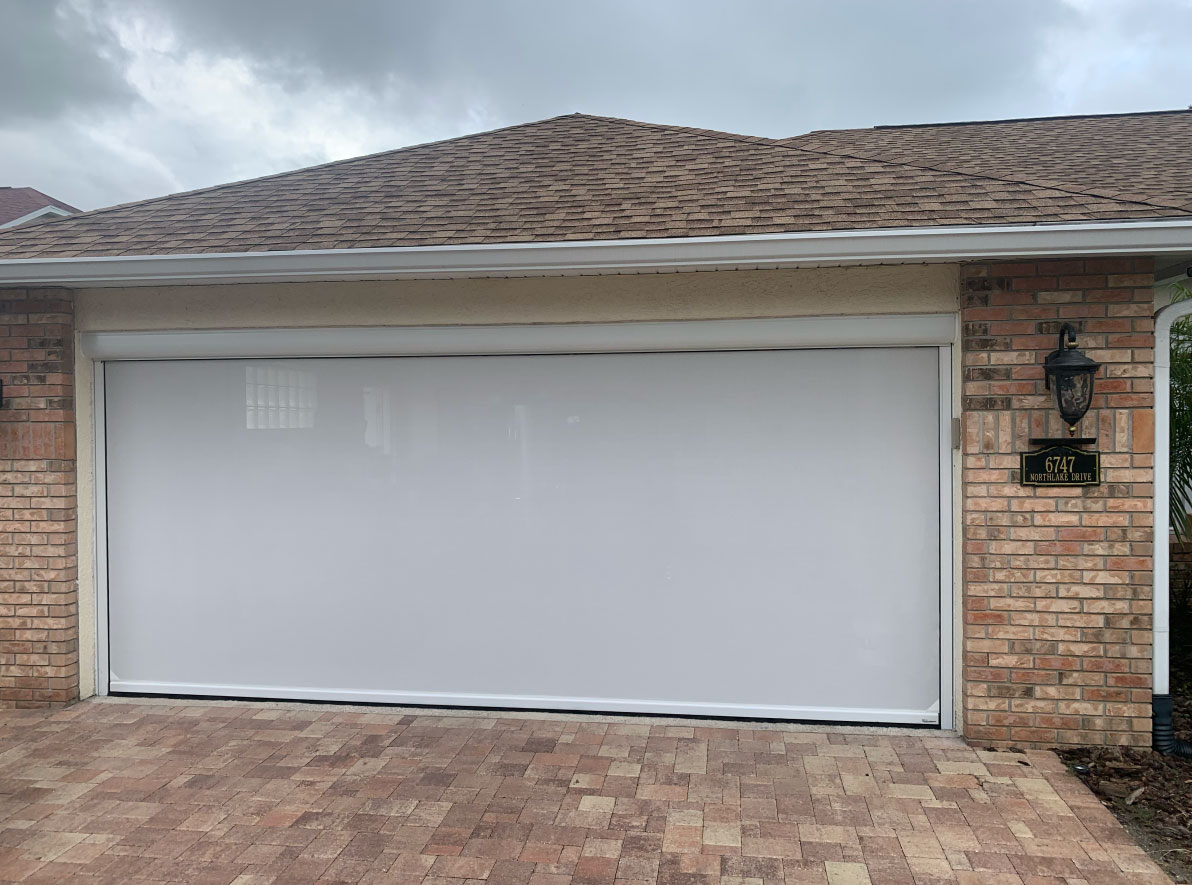
If you want to see how properly engineered systems are built for coastal homes, the overview of motorized screens shows hardware and fabric options that are designed for Florida’s waterfront climate.
Coastal wind is different. It shifts direction more quickly, gusts are stronger, and exposure is often higher because water and open land do not break up the wind.
If you are weighing the pros and cons of different hardware styles, the article on motorized patio screens explains how track types, spans, and wind exposure affect the right choice.
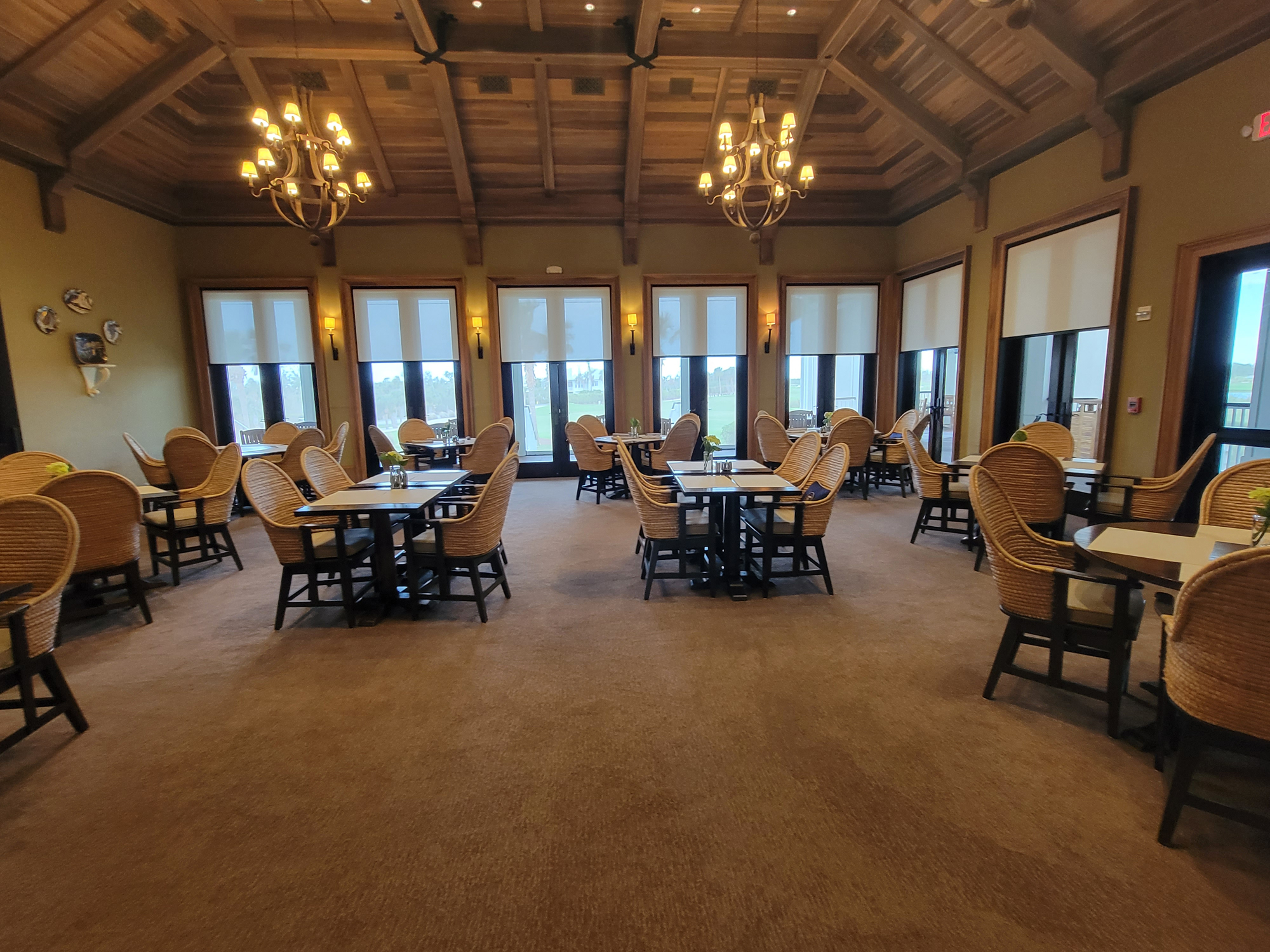
On the water, glare is not just from the sky. It bounces off the surface of the water, bright decks, and nearby buildings. Choose the wrong fabric and you will either still squint through the shine or feel like you turned your patio into a dark cave.
On waterfront patios and balconies, you usually want:
If you want a deeper breakdown of openness, color, and heat performance, the guide on patio shade fabrics explained walks through how different fabrics behave in real sun. For coastal specific examples, the article on waterfront patio shade solutions puts those choices into a salt air context.
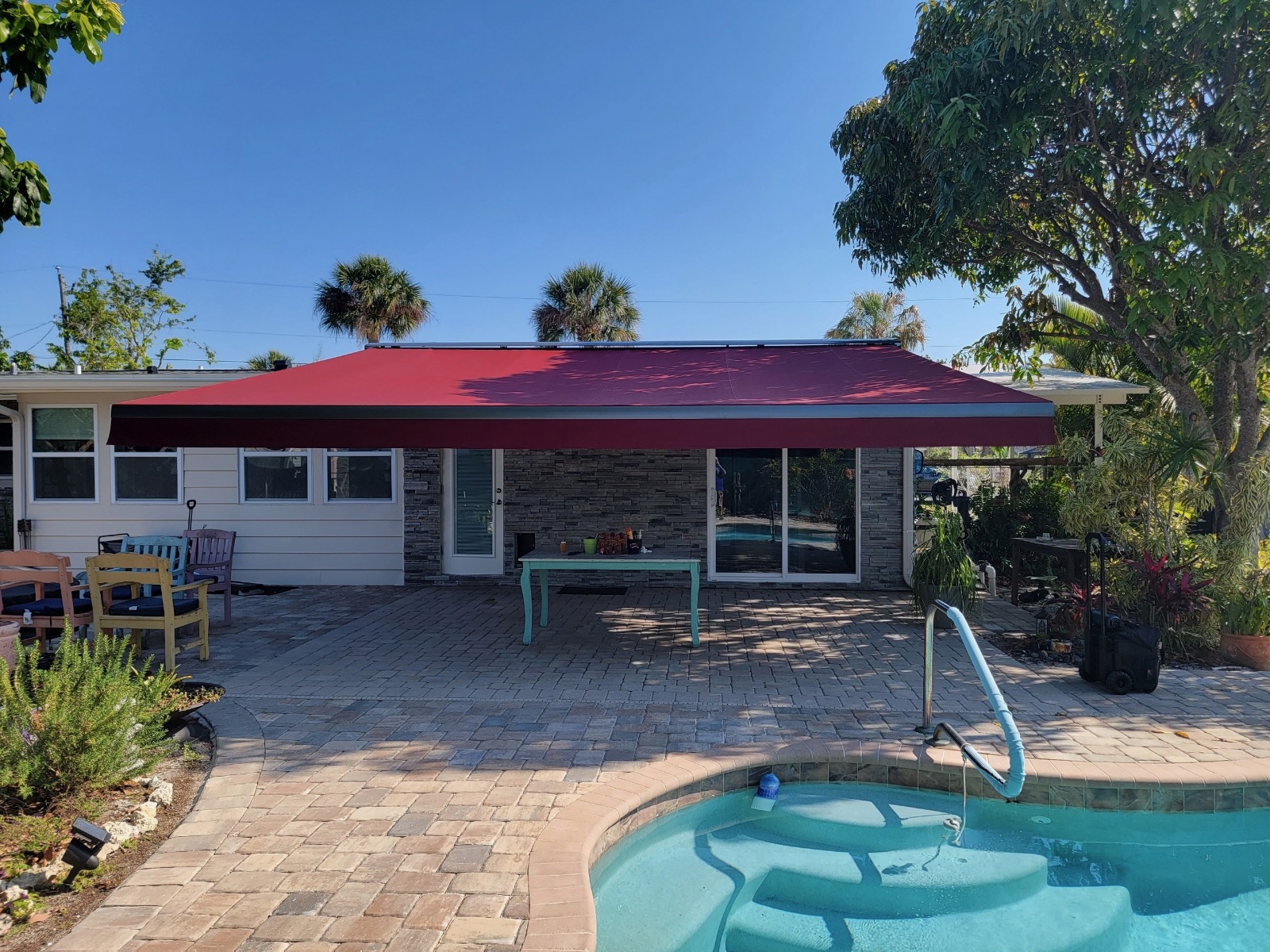
One of the most painful shade mistakes on a waterfront property is building something that protects you from the elements but ruins the view. Tall solid walls, heavy opaque panels, or poorly placed structures can all turn a million dollar view into a narrow slot.
Think of shade as a frame for the view, not a wall in front of it. That usually means:
Motorized screens are especially helpful on coastal homes because they can disappear when you do not need them and reappear in seconds when the sun or wind picks up.
On coastal properties, you are not just designing for a calm afternoon. You are designing for storm season too. The biggest mistake is expecting shade systems to behave like storm shutters or structural barriers.
For a practical storm mindset, it helps to think of shades as comfort tools, not hurricane hardware. Your shades should be easy to protect, not asked to protect the entire house on their own.
Coastal shade systems need occasional care, and many designs do not leave enough room to clean or inspect key components.
A little routine care dramatically extends the lifespan of coastal shade systems, especially when combined with quality materials.
On the coast, shade is important, but so is airflow. If you turn your patio into a box in the name of sun protection, you can end up with a hot, stuffy space that nobody wants to use.
If you want a broader look at how different systems share the work of shade, privacy, and airflow, the complete guide to outdoor shade systems in Florida is a good strategic overview.
A beachfront restaurant, a marina office, or a waterfront condo building all face more intense exposure than similar properties inland. Designing shade for these without thinking about coastal load is a costly error.
For examples of how commercial patios and decks can be shaded effectively, the page on commercial shade systems shows how restaurants, offices, and retail spaces handle sun, wind, and branding together.
On the coast, conditions change fast. Cloud cover shifts, breezes pick up, and storms can blow through unexpectedly. Treating all of your shades as manual and separate can make using them a chore, which means people simply stop adjusting them.
If you are curious how controls go beyond a basic remote, the article on smart control options for motorized outdoor shades walks through what is possible with modern systems.
Coastal properties often have large glass areas facing the water. Without the right exterior shade, that glass can turn indoor spaces into ovens and make air conditioning run nonstop.
Exterior shades on coastal homes can:
For homeowners who want both comfort and efficiency, the guide on energy savings with exterior shades in hot climates explains how shade strategy and energy use are connected.
Even on the same stretch of coast, small differences in orientation, elevation, and structure change what will work best. Simply copying a neighbor’s solution can lead to disappointment.
The smartest coastal shade projects start with a walkthrough of the property and a conversation about how you live, not just a catalog.
On Tampa Bay waterfront and beach homes, the biggest shade mistakes are using inland-grade hardware, ignoring wind, and choosing fabrics that block the view. Salt air, steady breezes, glare off the water and hurricane season all demand a plan built for the coast, not a system picked from a catalog.
Coastal conditions vary across the region. Homes on Clearwater Beach, Indian Rocks Beach and Madeira Beach take direct salt spray and Gulf wind, while bayfront and canal homes on Davis Islands and along Bayshore get reflected glare from the water and no-see-ums from nearby mangroves. Each calls for different hardware, fabric openness and mesh.
Storm planning is part of the design. Hurricane season runs June 1 through November 30, and summer afternoon thunderstorms bring sudden gusts. Exterior screens are not storm protection, so motorized systems should be easy to raise and secure, with controls everyone in the home knows how to use.
Choose corrosion-resistant hardware and finishes designed for coastal use, and rinse screens, tracks and frames with fresh water regularly to remove salt buildup. Avoid inland-grade fasteners. A pro installer will also mount components where they can be reached for cleaning, which matters for beachfront homes.
Yes. Raise motorized screens when strong wind or a tropical storm is expected, and keep them retracted until it passes. Screens are designed for sun, bugs and privacy, not storm protection. Many systems can add wind sensors that raise screens automatically, which helps when you are away from home.
Darker fabrics such as charcoal or black usually keep a bayfront or Gulf view clearest because they cut glare from the water. A more open weave preserves breezes and visibility, while a tighter weave adds shade and privacy. The right balance depends on which direction your home faces and how you use the space.
Book a free in-home consultation and we will assess your exposure, wind and salt air conditions, then recommend motorized screens and materials suited to the coast. Quotes are given in person after we measure. Call (813) 252-6813, request your consultation, or check our service areas.
No pressure and no guesswork. One local team takes you from first call to final install.
Call (813) 252-6813 or send a quick form. Tell us what you want to shade and we will set a visit time that works for you.
We measure your space, bring real fabric and finish samples, and give you a detailed, no-obligation quote. Prefer to see it first? Walk into our Gibsonton showroom.
Our own crew installs. No subcontractors. Every job carries an itemized warranty, including a lifetime warranty on tubular motors.
Financing available through Enhancify. Serving Tampa Bay, Sarasota, Bradenton & Venice.
Seen something you like?
Every West Shore Shade quote is done in person, because every opening is different. Tap what you’re interested in and answer a few quick questions so we arrive prepared. A real person from our Gibsonton showroom calls to set up your free visit.
Custom-measured, professionally installed, and backed by a lifetime motor warranty. No pressure, no obligation — just a straight answer on what your space needs.
Call (813) 252-6813Pick your product, leave your number, and we'll call to set a time. No pressure, no obligation.
A West Shore Shade specialist will call you shortly to set your free in-home estimate. Need us sooner? (813) 252-6813
Prefer to talk? (813) 252-6813
“From the first consultation to final installation, the experience was seamless. Our Tampa patio now feels like a luxury retreat.”
“The motorized screens work flawlessly and look amazing. The team was professional, punctual, and so easy to work with.”
“The quality is top-notch and the installation was quick and clean. Highly recommend West Shore Shades.”