Backed by a Lifetime Motor Warranty.
.svg)


Outdoor living is all about relaxing, entertaining, and enjoying the view. But if your patio or lanai sounds like a concrete echo chamber, it can feel more stressful than soothing. Hard surfaces, glass, tile, and pool decks all bounce sound back at you, making conversations sharp, clattery, and tiring over time.
Smart fabrics and well planned shade systems can quietly fix a lot of that. While they will not soundproof your space, the right exterior screens and shades can soften reflections, cut harsh high frequency noise, and make your outdoor area feel calmer and more welcoming. In this guide, we will walk through how outdoor acoustics work, what “smart” fabrics actually do, and where motorized shades and screens fit into a softer, more comfortable soundscape.
Most patios, lanais, and pool decks are built with materials that are practical and weather resistant:
All of these are hard, reflective surfaces. When you talk, laugh, slide a chair, or play music, sound waves hit these surfaces and bounce right back. Because there are fewer soft materials outside, there is almost nothing to absorb that energy. The result is:
To fix that, you do not need a recording studio. You just need more soft, porous surfaces that can absorb and diffuse sound before it gets back to your ears. That is where smart fabrics come in.
Indoors, sound bounces around but the space is smaller and there are usually more absorptive surfaces like furniture, rugs, and curtains. Outdoors, sound behaves differently:
Instead of trapping sound the way walls do inside, outdoor spaces often scatter sound and then bounce it off the hardest surfaces nearby. That is why a patio can sound loud and “live” even when only a few people are talking.
The goal outside is not silence. The goal is a softer, more controlled sound that matches the relaxed feel of your outdoor room.
When we talk about “smart fabrics” for outdoor acoustics, we are really talking about fabrics that improve multiple comfort factors at once:
The most effective smart fabrics for outdoor acoustics share a few traits:
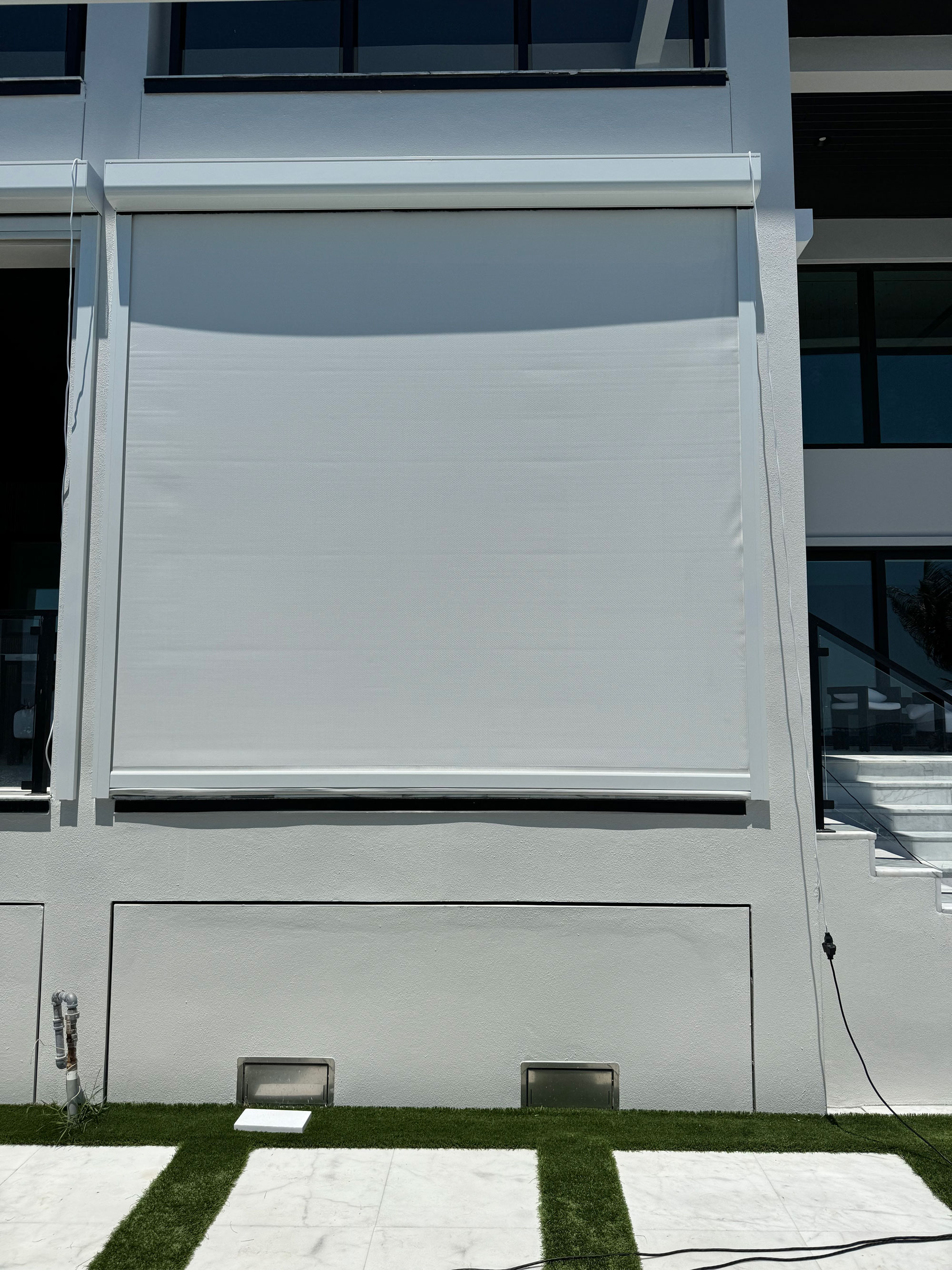
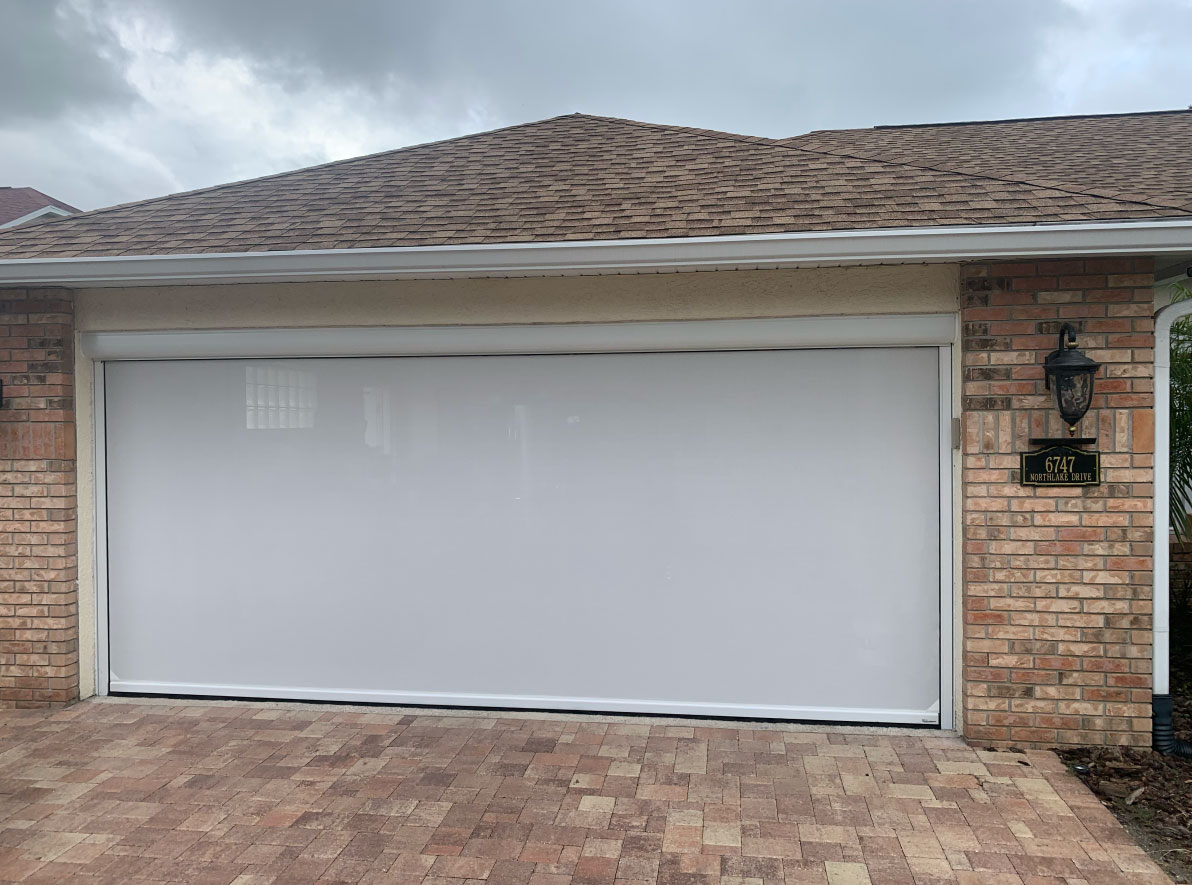
Exterior solar mesh used in motorized screens is a strong example. It is designed primarily for sun and glare control, but it also adds a vertical layer that sound has to pass through, which helps tame harsh reflections.
Motorized outdoor shades do not act like recording studio panels, but they change how sound moves through your outdoor room in several important ways:
Most patios have very little on the vertical plane other than glass or stucco. When you install motorized outdoor shades, you suddenly have tall, fabric surfaces that:
This alone can make conversation feel calmer and less sharp.
Exterior fabrics can soften noise that is coming from outside your space, such as:
The screen will not stop bass or low frequency rumble, but it can noticeably reduce high frequency bite and create a perception of more distance between you and the noise source.
For a deeper look at how screens handle noise, wind, and weather in the real world, the guide on everything you need to know about motorized screens in Tampa Bay is a great next read.
Wind can make patios sound chaotic, especially when chairs scrape or doors rattle. Smart fabrics and motorized screens:
The result is a steadier, more peaceful sound environment, especially in breezy coastal areas.
Acoustic improvements outdoors are all about placement and layering. A few well chosen surfaces can make a big difference.
If one side of your patio faces a busy road or your neighbor’s pool area, that side is your first priority. Adding a motorized screen on that exposure:
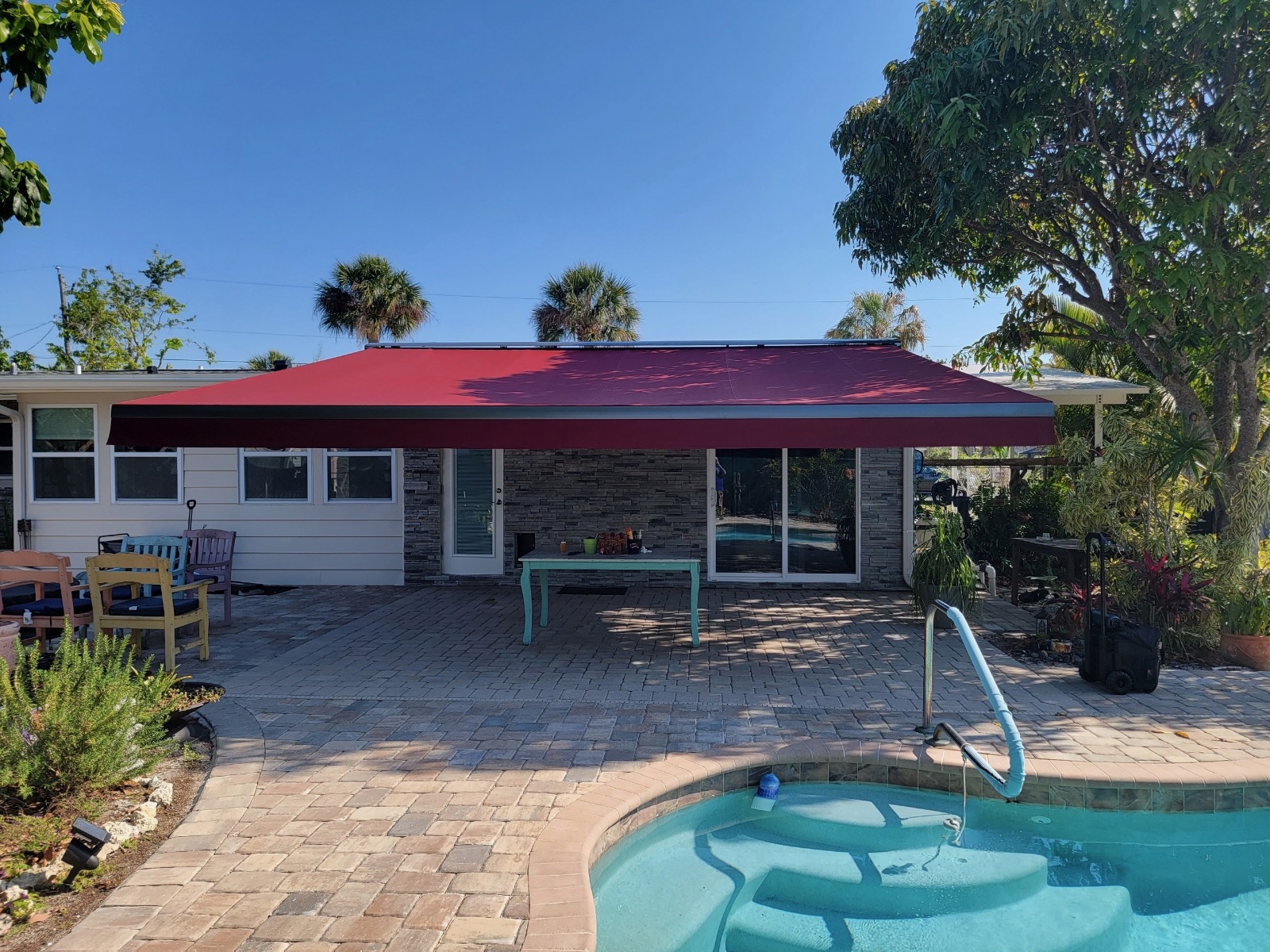
Pairing vertical screens with overhead shade structures, such as retractable awnings or pergola canopies, adds even more acoustic benefit. The awning or roof layer helps:
If you are still deciding between overhead awnings and vertical screens, the comparison in retractable awnings vs screens explains when each type shines and how they work together.
Smart fabrics do not have to work alone. Combine screens and shades with:
Every soft surface absorbs a bit of sound and helps reduce the overall harshness.
While most homeowners choose outdoor fabrics for shade and privacy, a few simple choices can also improve acoustic comfort.
In many patios, a mid range solar mesh strikes the best balance between visibility, wind flow, and sound softening.
Color does not change sound directly, but it changes how relaxed a space feels. Darker meshes often:
That sense of visual calm pairs nicely with a smoother, less echoey sound.
If you plan to use your patio year round, consider how your choices affect both warmth and sound. For example, homeowners who read about the year round benefit of motorized screens often end up using their screens for:
Those same conditions often create cozier, quieter acoustic environments for fall and winter gatherings.
Some outdoor spaces are more sensitive to sound than others. Smart fabrics can be tailored to match.
In compact spaces, sound reflections are more noticeable because walls are closer. A single well placed screen or smart fabric panel can:
If your patio is more like a balcony or loft style outdoor room, the ideas in best patio shade ideas for small balconies and lofts translate directly into acoustic strategies too.
In dense neighborhoods, side yard patios often sit close to fences and neighboring windows. Exterior screens and smart fabrics help by:
If pool pumps or air conditioning units are near your patio, properly placed screens can act as visual and acoustic baffles, softening high frequency noise and making mechanical sounds less distracting.
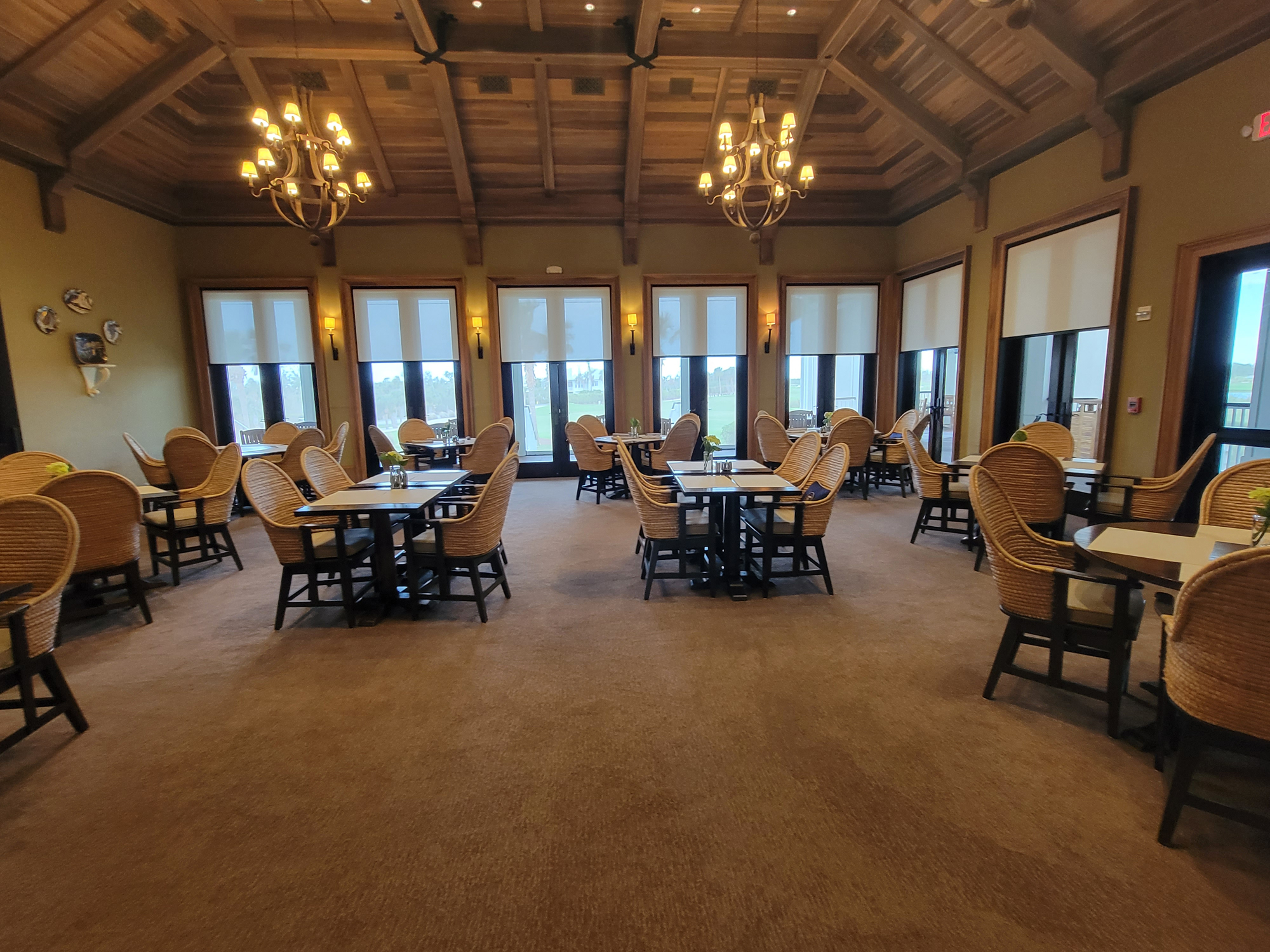
For restaurants, cafes, and commercial patios, acoustics are not just a comfort issue. They are a customer experience and brand issue. Too much echo or noise can:
Smart fabrics and motorized shades help:
If you are planning work across multiple storefronts or shared outdoor spaces, it is worth looking at how commercial shade systems are designed for light, heat, and acoustic performance together.
You do not need to become an acoustical engineer to get a noticeably softer outdoor sound. You just need a clear plan.
Walk your space at different times of day and note:
Is this area mostly for:
Different uses may call for different combinations of shade and fabric.
You may combine:
The complete guide to outdoor shade systems in Florida is useful if you want a wider view of how all the pieces fit together.
Details matter for both acoustics and durability:
Professionals see hundreds of patios and know where fabric will have the biggest impact with the smallest footprint.
In Tampa Bay, many lanais and pool decks sound loud because tile, pavers, glass doors and water all reflect noise. Smart outdoor fabrics on motorized screens add soft surfaces that reduce echo and soften street, neighbor and pool equipment noise. They will not soundproof a space, but they make conversation noticeably easier.
Newer communities in Wesley Chapel, New Tampa and Lutz often have homes set close together, so side-yard patios hear neighbors, AC units and pool pumps. Closer in, homes in Tampa neighborhoods like Hyde Park and Carrollwood can pick up steady traffic noise. A screen on the loudest side usually helps most.
Fabric also helps with a different kind of noise: wind. Summer afternoon thunderstorms and breezy waterfront lots can make loose screens flap and rattle, so a properly tensioned, track-guided system stays quieter and lasts longer.
They can soften it. A screen panel between your seating area and the pool equipment absorbs and diffuses some of the sharp, high-pitched sound so it feels less intrusive. It will not remove the noise entirely. Pairing screens with outdoor rugs and cushions inside the lanai improves the effect even more.
Tighter-weave fabrics generally soften sound more than very open mesh, because they present more surface to absorb and scatter noise. The trade-off is less airflow and visibility. In humid Tampa Bay summers, many homeowners use tighter fabric on the noisiest side and a more open weave elsewhere to keep breezes moving.
Yes, within limits. A lowered screen facing the street adds a soft barrier that takes the edge off traffic noise while cutting glare and adding privacy. Motorized operation lets you lower it during busy hours and raise it later. Overhead shade and nearby plants add even more softening for a calmer patio.
Book a free in-home consultation and we will listen to your space, identify the loudest sides, and recommend screen fabrics and a lanai screen layout that fit. Quotes are given in person after we measure. Call (813) 252-6813 or request your consultation, or visit our Gibsonton showroom.
No pressure and no guesswork. One local team takes you from first call to final install.
Call (813) 252-6813 or send a quick form. Tell us what you want to shade and we will set a visit time that works for you.
We measure your space, bring real fabric and finish samples, and give you a detailed, no-obligation quote. Prefer to see it first? Walk into our Gibsonton showroom.
Our own crew installs. No subcontractors. Every job carries an itemized warranty, including a lifetime warranty on tubular motors.
Financing available through Enhancify. Serving Tampa Bay, Sarasota, Bradenton & Venice.
Seen something you like?
Every West Shore Shade quote is done in person, because every opening is different. Tap what you’re interested in and answer a few quick questions so we arrive prepared. A real person from our Gibsonton showroom calls to set up your free visit.
Custom-measured, professionally installed, and backed by a lifetime motor warranty. No pressure, no obligation — just a straight answer on what your space needs.
Call (813) 252-6813Pick your product, leave your number, and we'll call to set a time. No pressure, no obligation.
A West Shore Shade specialist will call you shortly to set your free in-home estimate. Need us sooner? (813) 252-6813
Prefer to talk? (813) 252-6813
“From the first consultation to final installation, the experience was seamless. Our Tampa patio now feels like a luxury retreat.”
“The motorized screens work flawlessly and look amazing. The team was professional, punctual, and so easy to work with.”
“The quality is top-notch and the installation was quick and clean. Highly recommend West Shore Shades.”