Backed by a Lifetime Motor Warranty.


Florida's climate is famously demanding on outdoor building materials. Subtropical heat, intense ultraviolet radiation, thick year-round humidity, and corrosive salt air along coastal regions require heavy-duty performance from exterior window treatments. Installing motorized screens allows homeowners to reclaim lanais, patios, and pool decks, but selecting the right fabric is critical. The mesh material dictates how effectively your screens block solar heat, maintain airflow, resist mold, and preserve panoramic views. This guide breaks down the best fabrics for outdoor motorized screens in Florida, helping you select the ideal mesh composition and openness factor for your home.
Outdoor motorized screens installed across Florida homes face constant exposure to environmental stress. The longevity and performance of your screen system depend heavily on the synthetic fibers and protective coatings woven into the fabric. Selecting high-grade materials ensures your screens remain structurally sound, vibrant, and mold-free despite intense weather conditions.
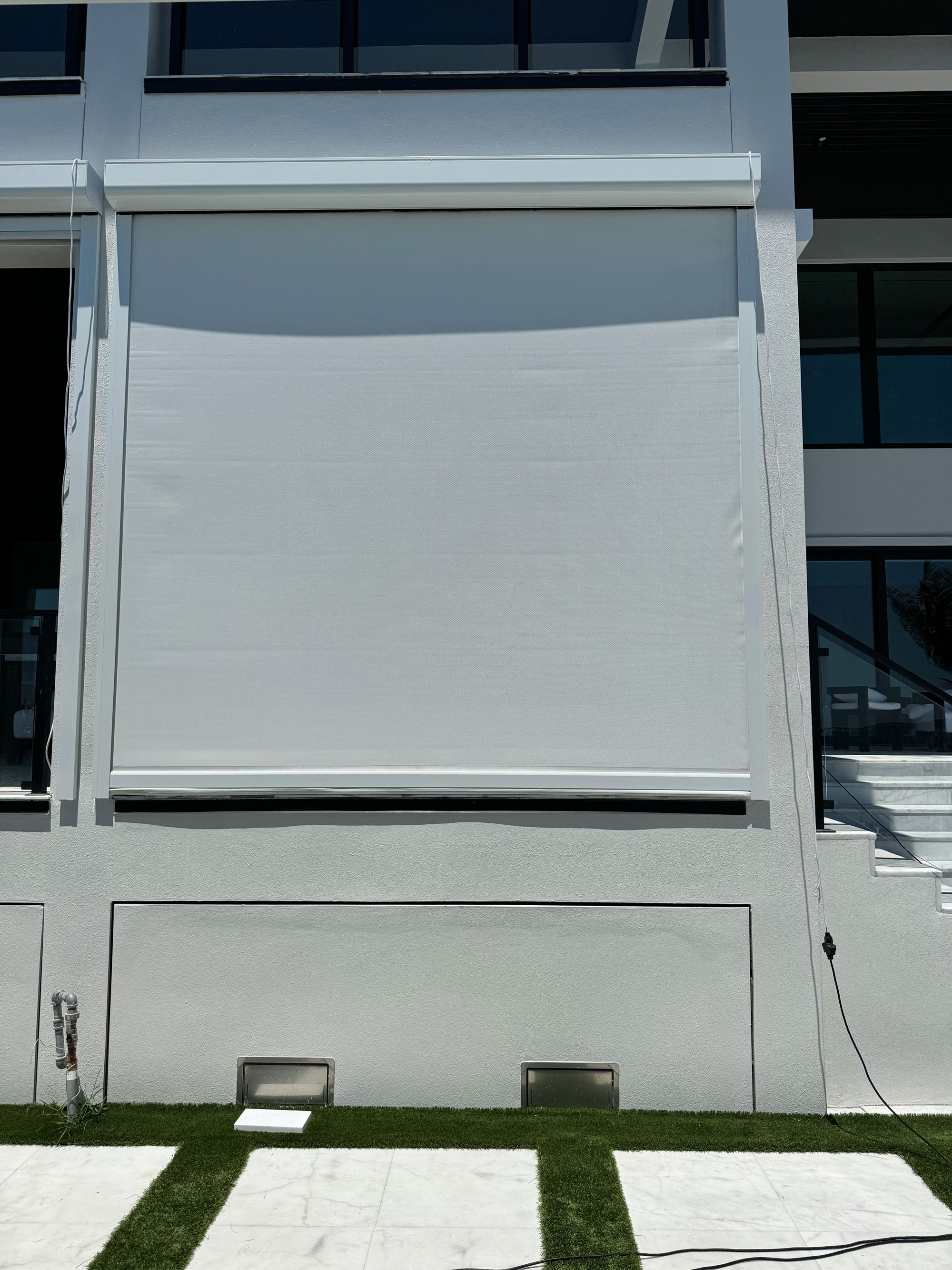
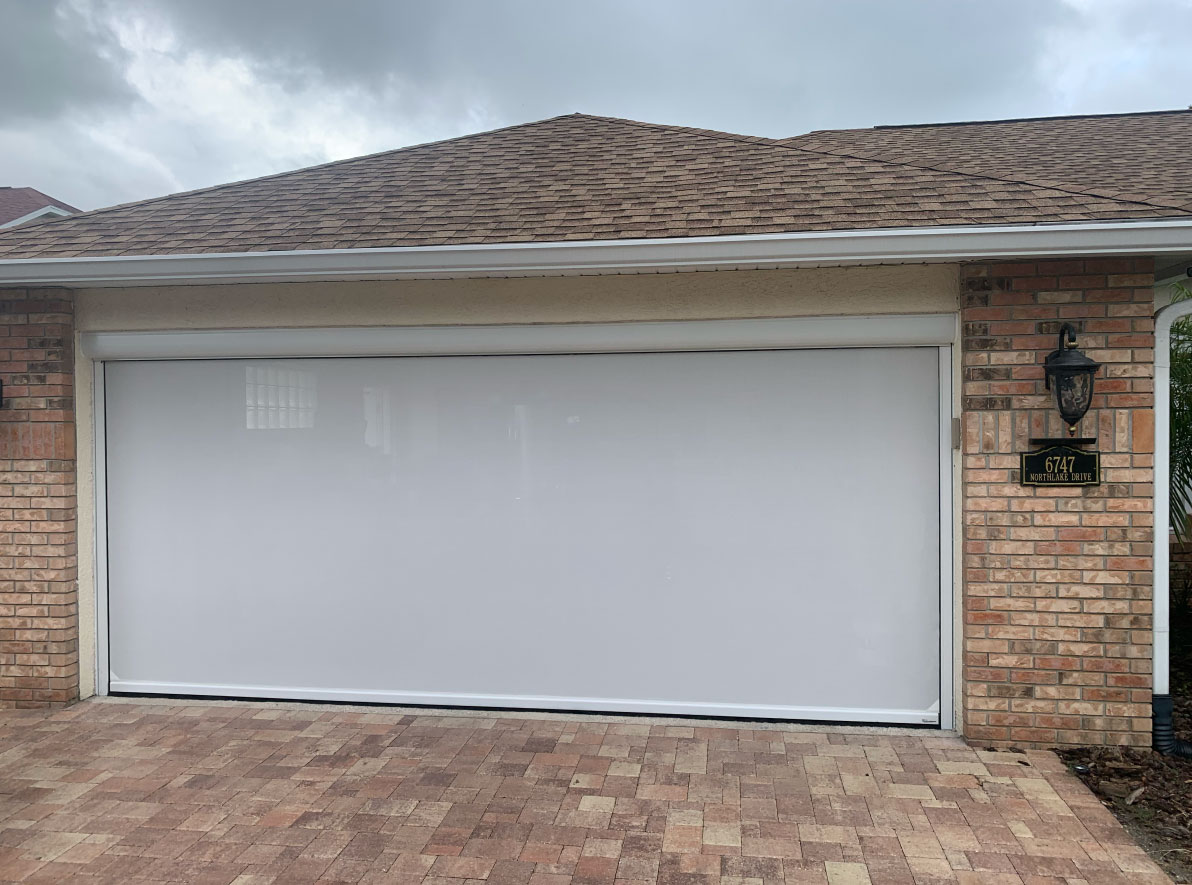
Most high-performance exterior solar screens use vinyl-coated polyester or glass yarn cores. Heavy-duty brands like Phifertex and Serge Ferrari feature high-tenacity polyester threads encapsulated in vinyl PVC coatings. This design creates high dimensional stability, preventing fabric panel sagging or stretching under heavy wind tension. Solution-dyed acrylic fabrics, like Sunbrella, offer rich canvas aesthetics with deep UV resistance, making them popular for solid privacy drop shades or overhead awnings.
In coastal regions like Tampa Bay, airborne salt spray accelerates structural material breakdown. High-quality outdoor mesh fabrics incorporate antimicrobial coatings directly into the PVC formulation. This prevents dark mold, green mildew, and fungal growth from feeding on trapped moisture. Additionally, synthetic mesh does not oxidize or rust, providing a durable alternative to metal wire screening.
The openness factor measures the percentage of open space between woven threads in a screen fabric. This specification directly determines how much sunlight, heat, wind, and visual exposure passes through the screen into your living space.
A tight weave between 1 percent and 3 percent openness blocks 97 percent to 99 percent of incoming ultraviolet rays and solar heat gain. These dense fabrics provide excellent daytime privacy by creating a solid visual barrier from the outside. They are ideal for west-facing lanais that suffer from blinding afternoon glare. However, tighter weaves reduce natural ventilation, so they are best suited for spaces where climate control or sun blockage is the primary goal. To understand the detailed mechanics behind fabric density, read our guide on what an openness factor is and why it matters for outdoor screens.
Openness factors between 5 percent and 10 percent represent the most popular choice for Florida homeowners. A 5 percent mesh blocks approximately 95 percent of UV rays while preserving outward view clarity and encouraging fresh cross-breezes. If your patio overlooks a lake, pool deck, or golf course fairway, a 5 percent or 8 percent openness fabric allows you to enjoy scenic outdoor scenery while keeping daytime solar heat under control.
Managing energy efficiency and solar heat gain in Florida requires proactive daily shade management. Ambient temperatures rise rapidly throughout the day, making automated timing essential for home comfort.
In Central and South Florida, solar radiation reaches its highest intensity between 10:00 AM and 4:00 PM.
Integrating motorized screens into smart home hubs allows you to establish automated deployment routines based on daily sun angles. Screens on east-facing patios can lower automatically at dawn to block morning glare, while west-facing screens deploy during early afternoon hours to reduce air conditioning loads during peak heat windows.
Different home layouts and geographic locations across Florida demand specific fabric characteristics to maximize comfort and usability.
Waterfront properties along bays, canals, and beaches require marine-grade fabrics engineered for high wind loads and salt air exposure. PVC-coated fiberglass and polyester screen fabrics with heavy hem bars resist tearing and hold their shape inside side tracks when exposed to coastal wind gusts.
Homeowners in master-planned communities or golf course developments often require privacy along their rear pool decks. Utilizing dense solar mesh or micro-mesh insect fabrics creates a clear one-way view during daylight hours. Residents can comfortably look out at the landscape while preventing golfers or neighbors from seeing onto the covered patio.
Beyond temperature management, exterior solar screens offer important health and property protection benefits for Florida residents.
Florida leads the nation in annual sunshine hours, making ultraviolet radiation safety a daily priority. Dense solar screen mesh blocks harmful UVA and UVB rays, creating a protected safe-shade zone on your patio. Families can relax outdoor without continuous chemical sunscreen application or harsh glare eye strain.
Unprotected outdoor cushions, teak wood furniture, and composite decking fade and crack rapidly under harsh Florida sun. High-density solar fabrics intercept solar energy before it reaches your outdoor living space, preserving furniture fabrics and keeping stone pavers cool to the touch. To explore how these protective features enhance overall living comfort, review our article on the 5 benefits of motorized outdoor screens for Tampa Bay homes.
Choosing the wrong screen fabric can lead to disappointing airflow, poor visibility, or premature wear. Avoiding common selection errors ensures long-term satisfaction.
A frequent mistake is selecting a 1 percent privacy fabric for a covered patio that receives minimal direct sunlight. While 1 percent mesh offers maximum shade, it significantly restricts natural air movement, creating a stagnant atmosphere on humid summer days. Selecting a 5 percent or 10 percent openness factor maintains comfortable airflow while providing adequate glare relief.
Installing standard interior shade fabrics or uncoated polyester mesh outdoors leads to rapid material breakdown. Uncoated yarns absorb airborne moisture, trapping pollen and dust that foster dark mold growth. Always specify exterior-rated vinyl-coated yarns engineered specifically for outdoor roll-down shade systems.
Evaluating common screen mesh categories without complex technical tables helps clarify which material best fits your patio goals.
A 5 percent openness factor is the most popular choice across Florida. It strikes an optimal balance by blocking 95 percent of harmful solar heat and UV rays while preserving clear outward views and encouraging natural cross-breezes.
No, dark-colored screen fabrics like charcoal or bronze actually provide superior glare reduction and outward view clarity compared to light colors. Dark yarns absorb solar light rather than scattering it, making it easier to see through the screen while keeping heat out.
Yes, specialized 20x20 micro-mesh insect fabrics feature ultra-tight openings designed specifically to stop tiny biting midges and no-see-ums while maintaining comfortable airflow across your pool deck or lanai.
High-quality vinyl-coated polyester or glass yarn fabrics manufactured by top brands typically last between 10 and 15 years in Florida. Storing the fabric inside a protective aluminum cassette when not in use extends fabric lifespan significantly.
Yes, high-density solar screens allow you to see outside clearly during daylight hours while preventing neighbors or passersby from looking in. However, at night when interior patio lights are turned on, this privacy effect reverses.
Standard solar screen fabrics are water-resistant rather than completely waterproof. They block heavy rain splatters and wind-blown mist, but water can penetrate open mesh pores during severe downpours. Solid acrylic fabrics offer higher water repellency.
Rinse the screen gently with a garden hose, then wash with a soft-bristle brush using mild dish soap and warm water. Avoid using harsh bleach or high-pressure power washers, which can damage vinyl coatings and seam stitching.
Premium solar screen yarns feature UV-stabilized pigments embedded directly into the synthetic vinyl coating or acrylic fibers. This specialized manufacturing process ensures long-term color retention without chalking or fading.
PVC-coated polyester mesh installed within zip-track side channels provides the highest wind resistance. The vinyl-coated core prevents fabric tearing or pulled seams when exposed to sudden coastal wind gusts.
Yes, motorized screens can be mounted cleanly onto existing timber, concrete, or aluminum structures. To learn about retrofitting wooden patio framing, read our guide on mounting motorized screens on existing wood pergolas.
Choosing the right fabric for your outdoor motorized screens transforms your lanai, patio, or pool deck into an adaptable year-round sanctuary. Matching mesh density and material composition to your specific home orientation ensures maximum comfort and long-term durability.
Ready to find the perfect shade fabric for your Florida home? Contact West Shore Shade today to explore custom motorized patio shades, view fabric samples in person, and schedule your free in-home consultation!
Free In-Home Estimate
Leave your name, phone and ZIP. Our local Gibsonton team will call to set up a free measure. No pressure, no obligation.
No pressure and no guesswork. One local team takes you from first call to final install.
Call (813) 252-6813 or send a quick form. Tell us what you want to shade and we will set a visit time that works for you.
We measure your space, bring real fabric and finish samples, and give you a detailed, no-obligation quote. Prefer to see it first? Walk into our Gibsonton showroom.
Our own crew installs. No subcontractors. Every job carries an itemized warranty, including a lifetime warranty on tubular motors.
Financing available through Enhancify. Serving Tampa Bay, Sarasota, Bradenton & Venice.
Seen something you like?
Every West Shore Shade quote is done in person, because every opening is different. Tap what you’re interested in and answer a few quick questions so we arrive prepared. A real person from our Gibsonton showroom calls to set up your free visit.
Custom-measured, professionally installed, and backed by a lifetime motor warranty. No pressure, no obligation — just a straight answer on what your space needs.
Call (813) 252-6813Pick your product, leave your number, and we'll call to set a time. No pressure, no obligation.
A West Shore Shade specialist will call you shortly to set your free in-home estimate. Need us sooner? (813) 252-6813
Prefer to talk? (813) 252-6813
“From the first consultation to final installation, the experience was seamless. Our Tampa patio now feels like a luxury retreat.”
“The motorized screens work flawlessly and look amazing. The team was professional, punctual, and so easy to work with.”
“The quality is top-notch and the installation was quick and clean. Highly recommend West Shore Shades.”