Backed by a Lifetime Motor Warranty.
.svg)


Privacy and openness often seem like opposing goals when designing a lanai. Many homeowners want a private outdoor retreat where they can relax, entertain, dine, or enjoy a morning coffee without feeling exposed to neighbors or nearby streets. At the same time, they do not want to sacrifice the qualities that make a lanai enjoyable in the first place.
A great lanai should feel:
The challenge is finding privacy solutions that do not make the space feel enclosed, dark, or restrictive. Modern shade systems, screens, landscaping strategies, and architectural features can create significant privacy while preserving airflow, natural light, and outdoor views. The best privacy designs focus on controlling sightlines rather than completely blocking the outdoors.
Many homeowners attempt to solve privacy concerns by creating heavy, permanent barriers. Common examples include solid walls, heavy curtains, opaque screens, and dense fencing.
While these approaches increase privacy, they often create a new set of problems:
The final result is a lanai that no longer feels like an authentic outdoor living space. True comfort requires selective privacy rather than total visual enclosure.
Not every side of a lanai requires the same level of screening. Before choosing a solution, identify exactly where your privacy concerns originate:
Understanding the specific sightline problem helps you avoid unnecessary, over-engineered screening.
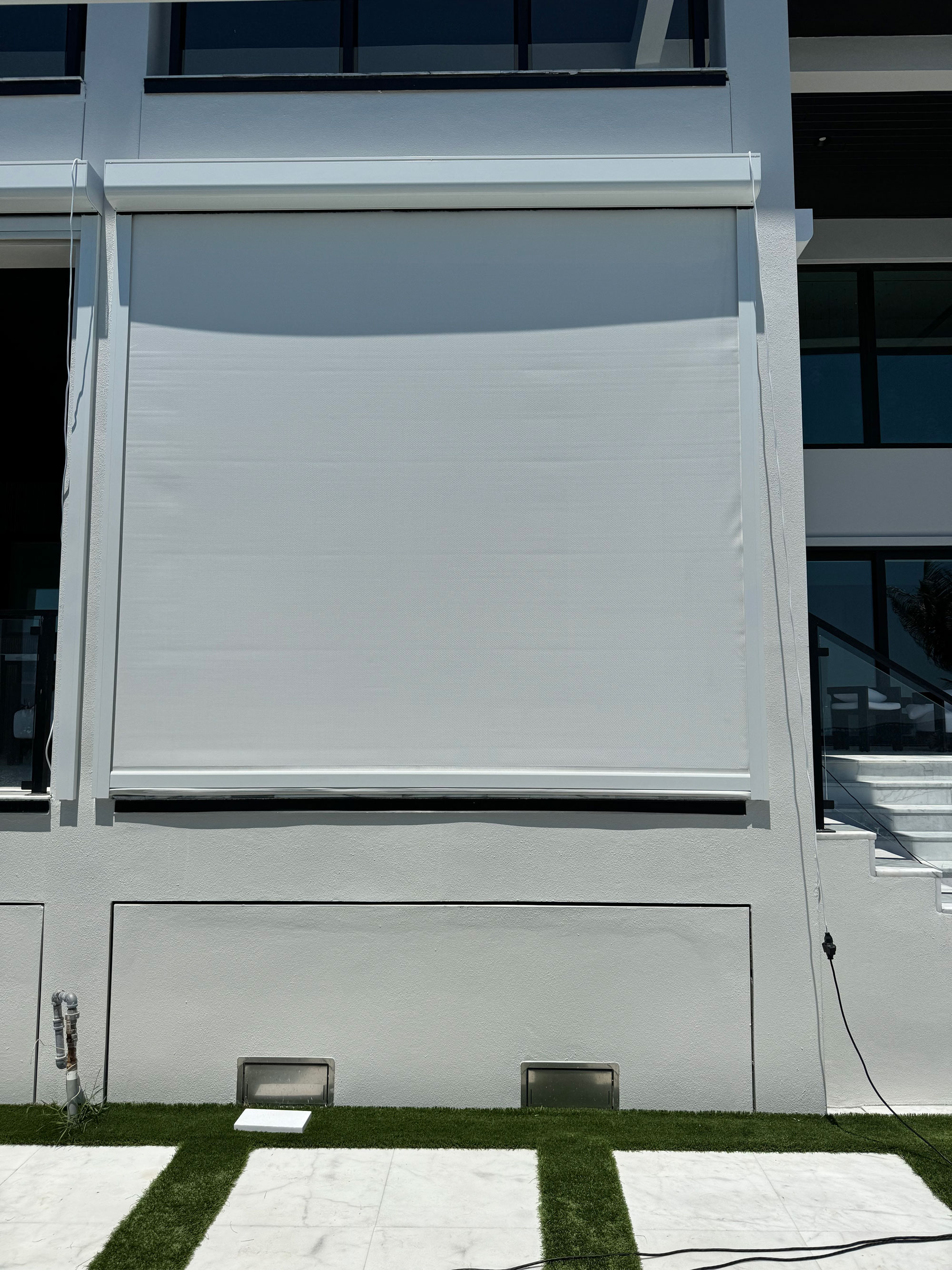
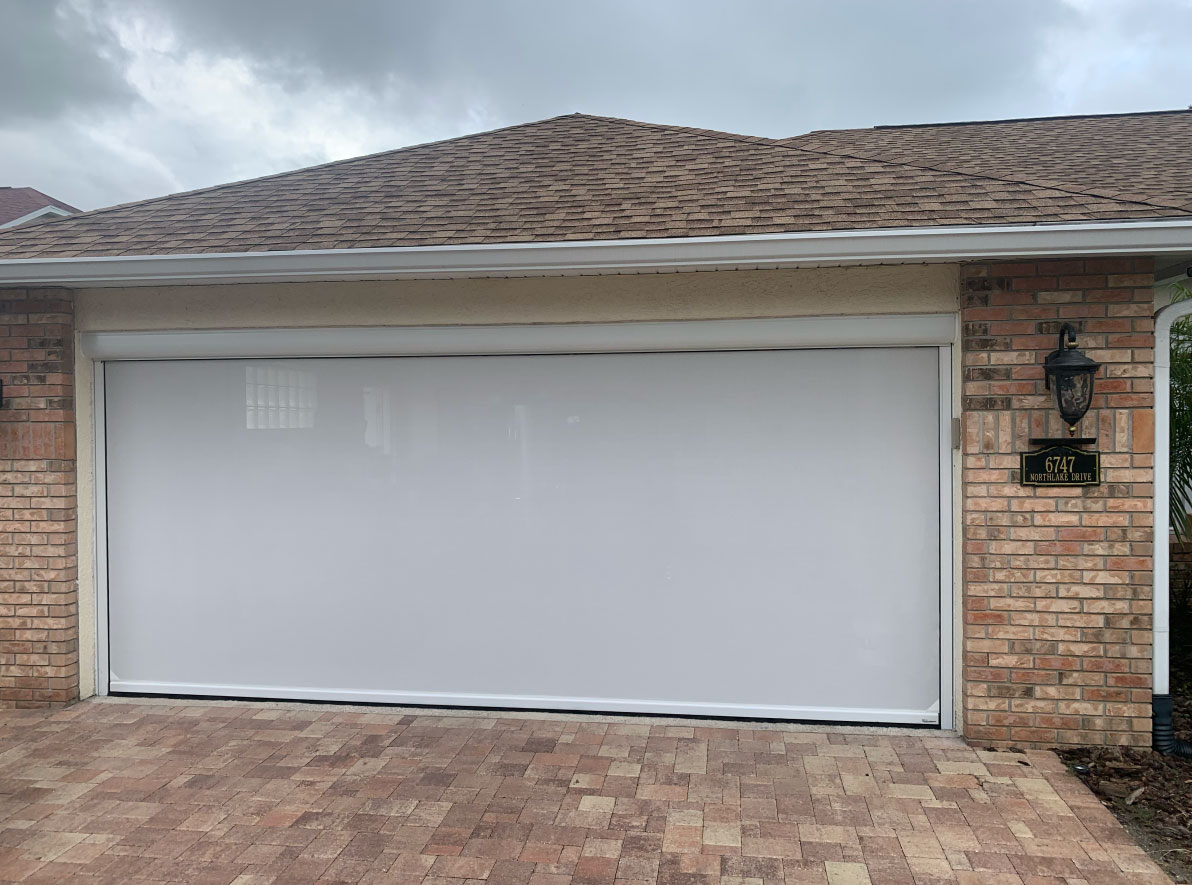
For many Florida homeowners, retractable solar screens provide the most effective privacy solution available. Unlike solid barriers, solar screens filter visibility rather than eliminate it completely.
When evaluating different options for your mesh, analyzing the structural differences between bug screens vs. solar screens will ensure you select the appropriate weave density for both pest protection and visual privacy.
Because they allow light transmission, air movement, and exterior views, the lanai fully retains its signature connection to the outdoors. This is especially important for homeowners who enjoy waterfront views, golf course fairways, pool decks, or meticulously landscaped backyards.
For homeowners evaluating detailed fabric performance, see Patio Shade Fabrics Explained: Openness, Color, Heat.
Daytime privacy works effectively because exterior lighting conditions are significantly brighter than interior conditions. When sunlight is stronger outside than it is inside the covered lanai, visibility looking inward decreases dramatically while visibility looking outward remains relatively clear. This creates a highly functional, one-way privacy effect during daylight hours.
Most homeowners find that a 3% openness factor provides the ideal compromise for everyday use.
One of the biggest mistakes in lanai design is assuming that privacy solutions must remain permanent. Environmental and social conditions change constantly throughout the day:
Retractable systems provide ultimate flexibility by offering open views when desired, instant privacy when needed, better ventilation control, and a clean exterior aesthetic.
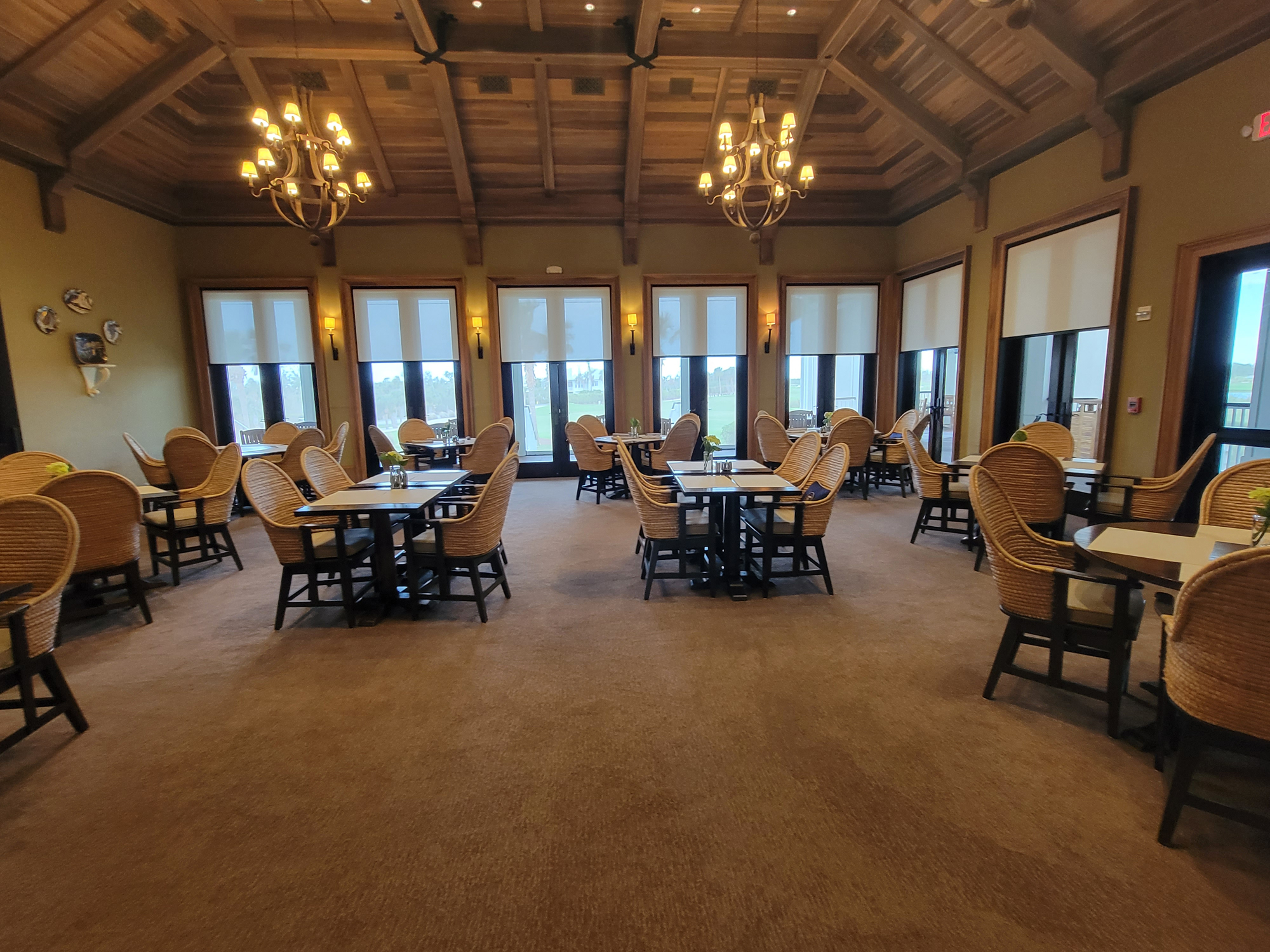
Convenience often determines whether a privacy system gets used or ignored. Motorized screens allow adjustments using remotes, smartphones, wall controls, or voice assistants. Instead of living with uncomfortable visibility or struggling with manual cranks, homeowners can adjust their space instantly.
Smart automation allows your privacy settings to be fully scheduled based on your daily routine:
For homeowners interested in advanced automation strategies, see Automating Interior Shades by Room and Daily Routine.
Landscaping is one of the most effective tools for maintaining an airy atmosphere. Unlike heavy walls and fences, plants soften sightlines while preserving natural openness.
The best landscaping setups strategically block direct sightlines without forming a visually oppressive, solid barrier.
The most comfortable lanais utilize multiple privacy elements rather than relying heavily on just one solution. Layering creates architectural depth and preserves airflow:
Each layer contributes partial screening, working together to create premium privacy while maintaining an open-concept feel.
Waterfront properties feature unique privacy needs. Homeowners want unobstructed water views while reducing visibility from neighboring boat docks or passing watercraft. Heavy privacy barriers ruin the very views that make waterfront homes desirable. Motorized solar screens combined with low-profile side-track systems and minimalist landscaping maintain premium views while reducing unwanted visibility.
Golf course properties frequently struggle with rear-yard exposure from golfers and pedestrians. Dense fencing often defeats the purpose of living on a golf course fairway. The recommended approach utilizes solar screens, strategic landscape layering, and partial screening to preserve the sweeping fairway views while restoring your personal comfort.
Many homeowners focus exclusively on their rear-facing views, but most privacy friction actually comes from adjacent neighboring properties. Direct side sightlines create much more daily discomfort than distant rear visibility. Prioritizing side protection using side-mounted screens, decorative panels, or landscape buffers typically delivers the largest immediate lifestyle upgrade.
Daytime privacy behaves differently than nighttime privacy. At night, interior patio lighting becomes brighter than the dark outdoor environment, causing the privacy effect to reverse.
To counteract this, evening privacy solutions require a mix of lower openness screens, additional screen layers, zoned screen operations, and strategic exterior landscape lighting that projects light away from the lanai to disrupt outward sightlines.
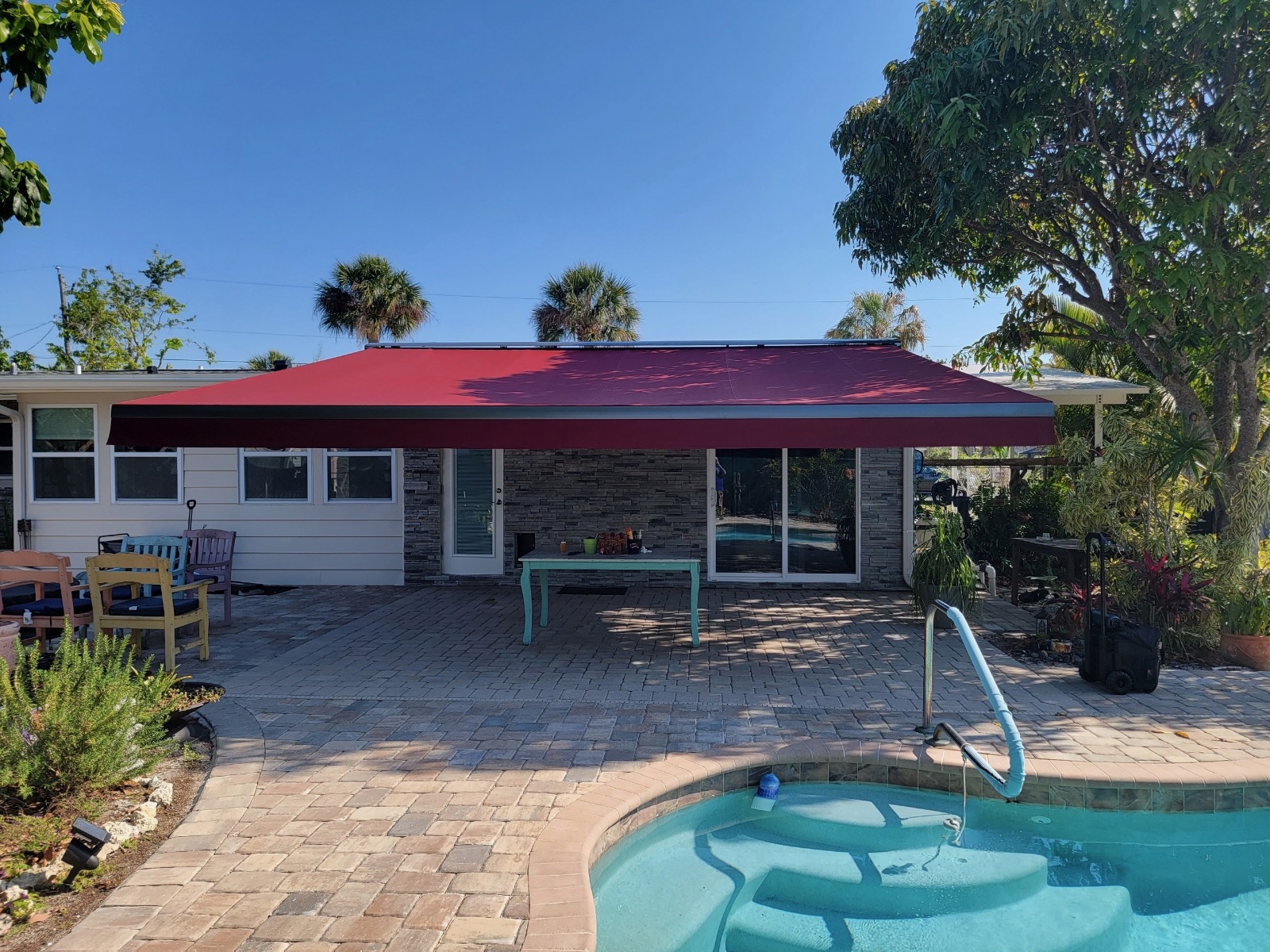
For most Tampa Bay lanais, the best privacy comes from motorized solar screens that drop only where neighbors can see in. They block daytime sightlines, cut afternoon glare and keep bugs out, yet you can still see the pool, golf course or water from inside and raise them whenever you want a fully open view.
Homes here are often built close together, and in neighborhoods like Westchase and Wesley Chapel your side neighbor's second-story window may look straight down into your lanai. That is why side panels usually matter more than the rear opening. Waterfront and canal homes in Apollo Beach and on Davis Islands face boat traffic, so a darker fabric that preserves the water view tends to work best.
On the Pinellas beaches, salt air and stiff onshore wind are part of daily life, and a screen that retracts into its housing holds up better than fabric left hanging year-round. In St. Pete Beach and Treasure Island, homeowners often lower screens before afternoon storms roll through, then raise them for open sunset views over the Gulf.
Not fully. Solar screens provide strong daytime privacy because it is brighter outside than inside, but once your lanai lights are on at night, people can see in. For evening privacy we can suggest a lower-openness fabric or a second layer on the sides that face neighbors most directly.
A darker color with a lower openness is usually the best fit, because it reduces how much golfers can see while keeping your view of the fairway clear. Lighter colors can appear brighter and more see-through from outside. We bring real fabric samples so you can test them against your own view.
Yes. Many Tampa Bay homeowners screen only the side or corner that faces a neighbor or street and leave the main view open. Each opening can have its own motor, so you lower only what you need. We will walk the lanai with you to decide which openings matter most.
Book a free in-home consultation and we will study your sightlines, measure each opening and bring fabric samples. Quotes are given in person after measuring. Call (813) 252-6813, see our lanai screens and shades, or request your consultation online. Our own install crew handles every project, with no subcontractors.
Free In-Home Estimate
Leave your name, phone and ZIP. Our local Gibsonton team will call to set up a free measure. No pressure, no obligation.
No pressure and no guesswork. One local team takes you from first call to final install.
Call (813) 252-6813 or send a quick form. Tell us what you want to shade and we will set a visit time that works for you.
We measure your space, bring real fabric and finish samples, and give you a detailed, no-obligation quote. Prefer to see it first? Walk into our Gibsonton showroom.
Our own crew installs. No subcontractors. Every job carries an itemized warranty, including a lifetime warranty on tubular motors.
Financing available through Enhancify. Serving Tampa Bay, Sarasota, Bradenton & Venice.
Seen something you like?
Every West Shore Shade quote is done in person, because every opening is different. Tap what you’re interested in and answer a few quick questions so we arrive prepared. A real person from our Gibsonton showroom calls to set up your free visit.
Custom-measured, professionally installed, and backed by a lifetime motor warranty. No pressure, no obligation — just a straight answer on what your space needs.
Call (813) 252-6813Pick your product, leave your number, and we'll call to set a time. No pressure, no obligation.
A West Shore Shade specialist will call you shortly to set your free in-home estimate. Need us sooner? (813) 252-6813
Prefer to talk? (813) 252-6813
“From the first consultation to final installation, the experience was seamless. Our Tampa patio now feels like a luxury retreat.”
“The motorized screens work flawlessly and look amazing. The team was professional, punctual, and so easy to work with.”
“The quality is top-notch and the installation was quick and clean. Highly recommend West Shore Shades.”