Backed by a Lifetime Motor Warranty.
.svg)


A bright lanai is one of the most desirable features of a Florida home. Natural light makes outdoor living spaces feel larger, cleaner, and more inviting. It enhances views, improves the atmosphere for entertaining, and creates the indoor-outdoor lifestyle many homeowners want.
The challenge is that brightness and comfort are not always the same thing.
Many lanais become uncomfortable during the afternoon because direct sunlight creates:
The goal is not to make the lanai darker. The goal is to control sunlight so the space remains bright while eliminating the harsh effects of direct afternoon exposure.
The best lanai designs allow homeowners to enjoy natural daylight without suffering from the discomfort that often comes with it.
Morning sunlight is generally easier to manage.
The sun is lower in intensity and outdoor surfaces have not yet accumulated significant heat.
Afternoon sunlight creates different challenges because:
West-facing lanais often experience the worst conditions because the afternoon sun enters at a low angle directly into the space.
This type of glare is more difficult to block using only overhead structures.
Understanding where glare originates is the first step toward solving the problem.
Many homeowners mistakenly assume that reducing glare requires making the lanai significantly darker.
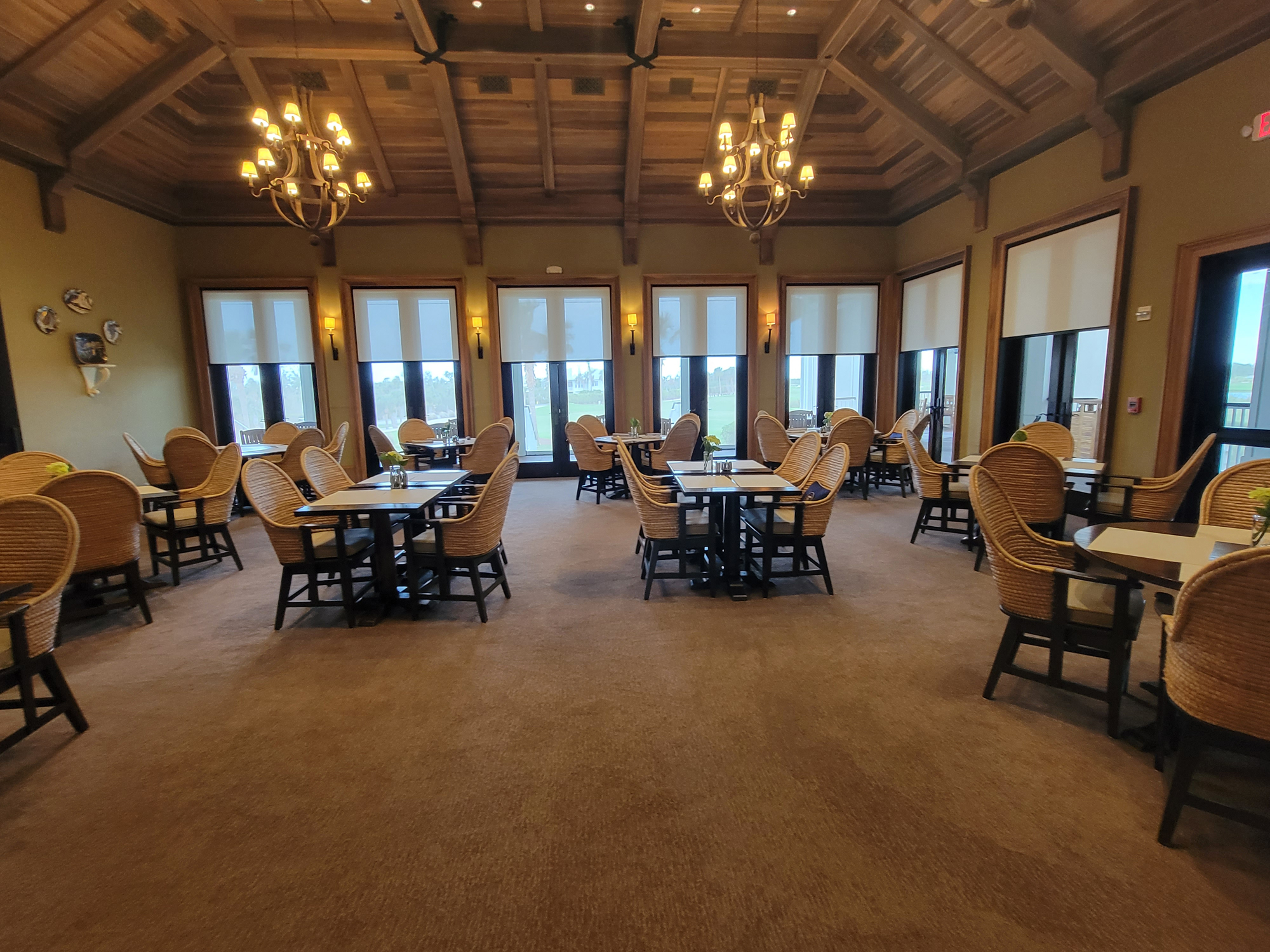
In reality, the most comfortable outdoor spaces maintain brightness while diffusing direct sunlight.
The difference is important.
Direct sunlight creates:
Diffused light creates:
The most successful shade systems focus on filtering sunlight rather than completely blocking it.
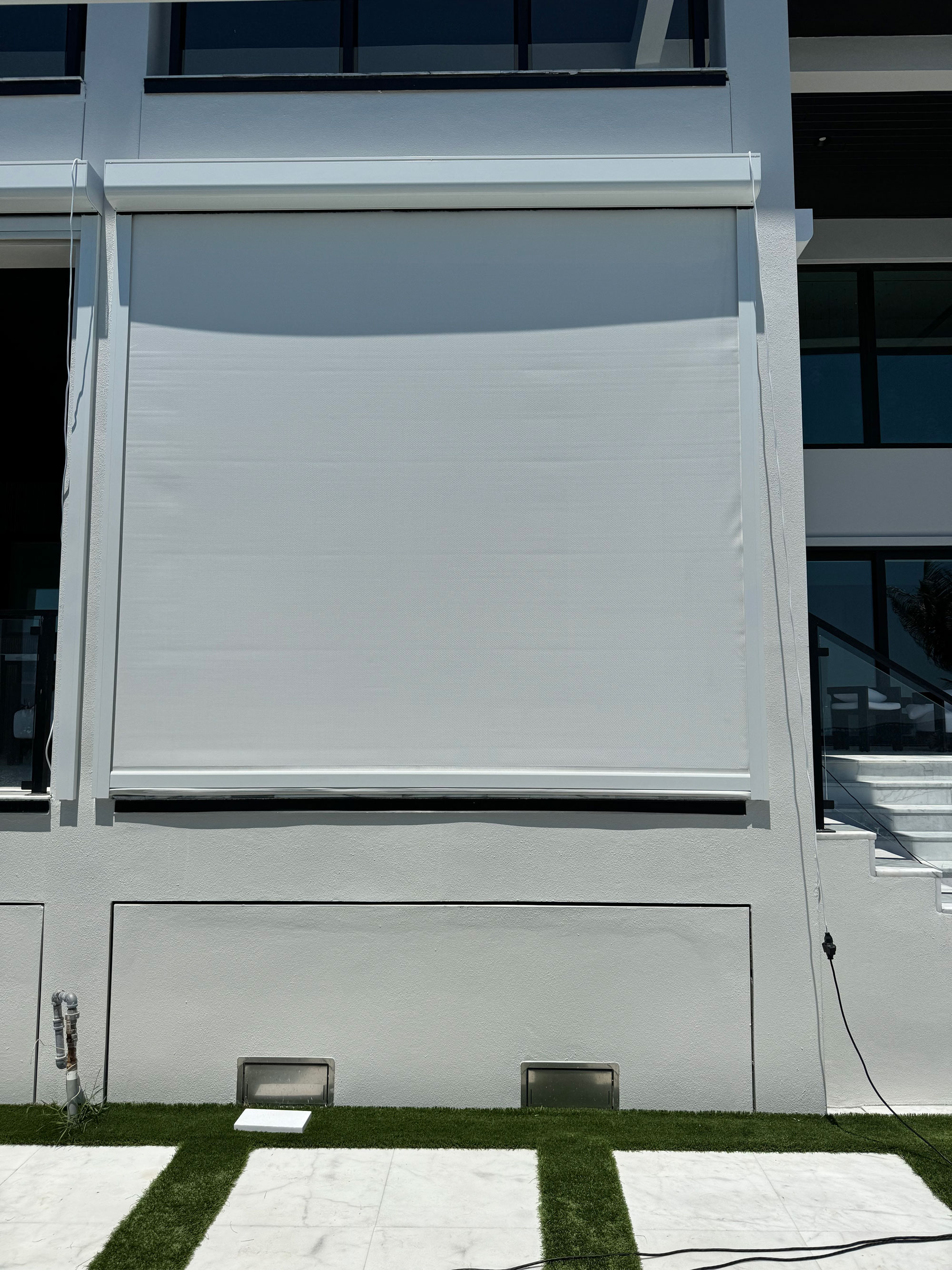
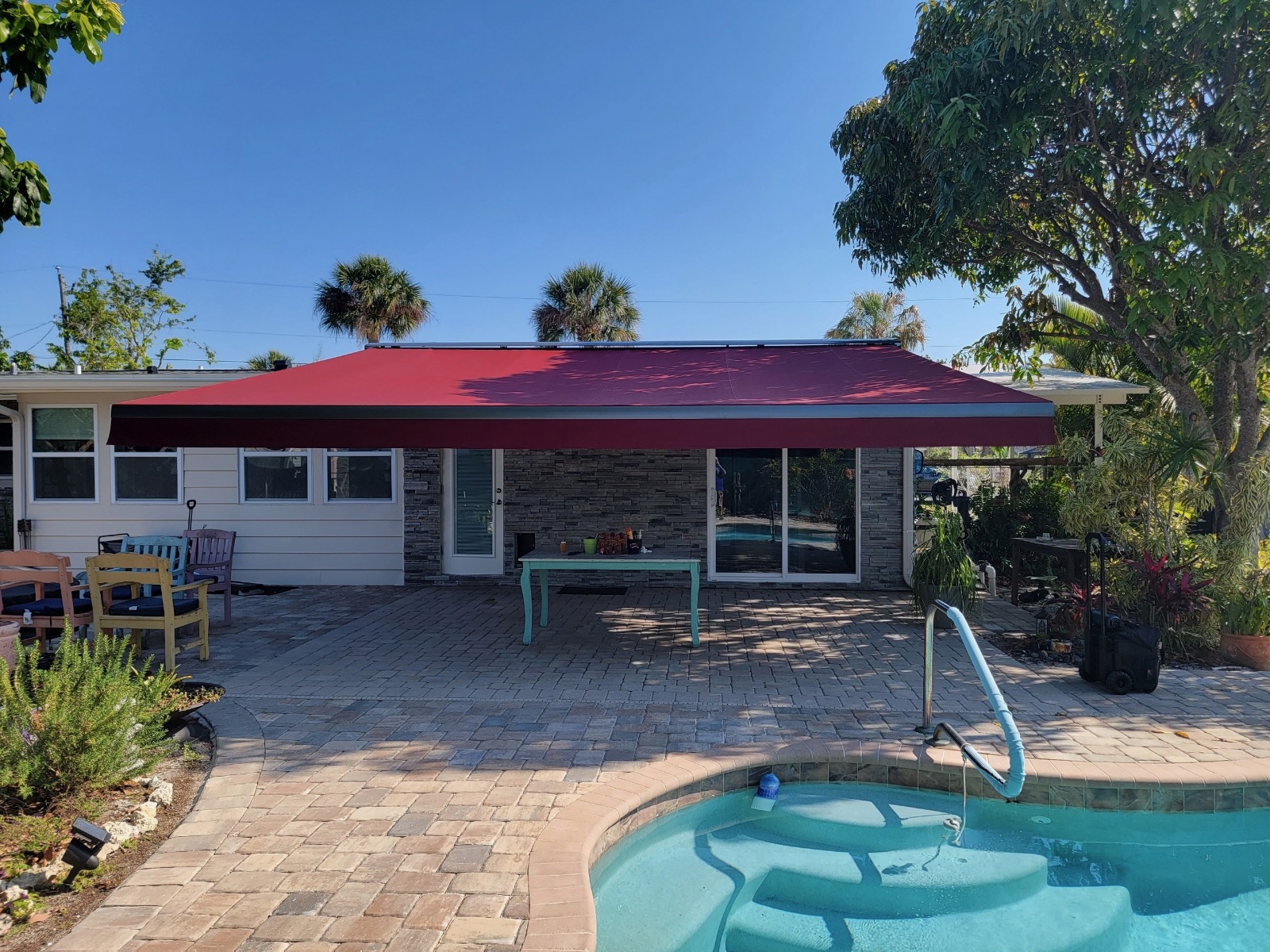
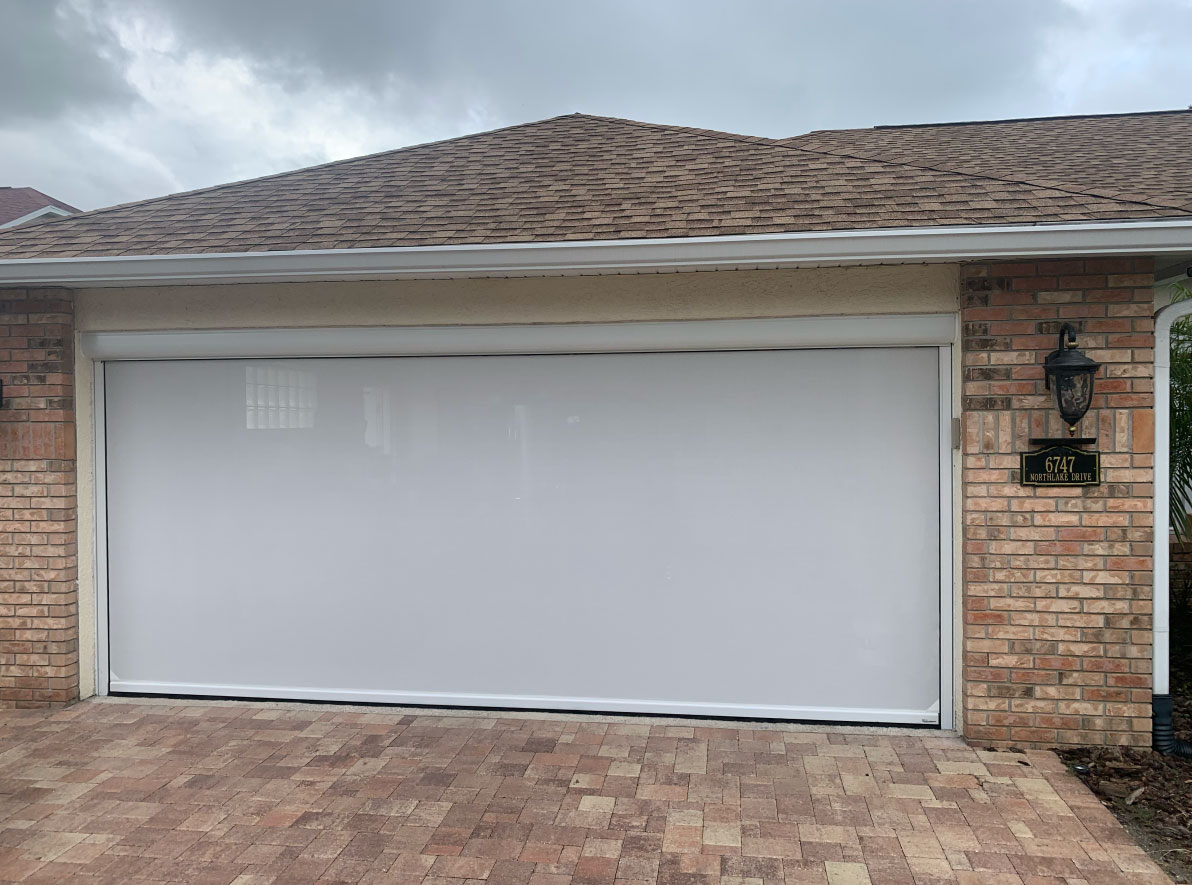
For most lanais, retractable solar screens provide the best balance between natural light and comfort.
Unlike blackout materials, solar screen fabrics allow filtered daylight to enter while reducing glare.
Benefits include:
The space remains bright, but the harshness disappears.
Solar screens intercept sunlight before it reaches seating areas and hard surfaces.
Instead of allowing full-intensity sunlight into the lanai, they soften and diffuse the light.
This creates a more comfortable environment without sacrificing openness.
For homeowners evaluating screen materials, see Patio Shade Fabrics Explained: Openness, Color, Heat.
Openness factor refers to how much light passes through the fabric.
The openness percentage significantly influences brightness and glare control.
Provides:
Best for:
Provides:
Best for:
Provides:
Best for:
Most homeowners find that 3% openness delivers the best overall balance.
Many people assume lighter screen colors always create brighter spaces.
In reality, darker fabrics often improve visual comfort.
Dark-colored solar screens:
This is why many commercial buildings and luxury outdoor spaces use darker solar screen fabrics.
Popular choices include:
These colors often make views appear sharper while still allowing ample natural light.
The amount of sunlight entering a lanai changes constantly.
Conditions at 9 a.m. are very different from conditions at 4 p.m.
Retractable systems allow homeowners to adjust coverage as needed.
Benefits include:
Open screens to maximize natural light.
Lower screens to reduce glare and heat.
Adjust for privacy and comfort.
This flexibility is one of the biggest advantages of motorized shade systems.
The easier a shade system is to operate, the more often homeowners use it.
Motorized screens allow adjustments with:
Instead of tolerating uncomfortable glare, homeowners can respond instantly.
Motorized systems also support:
For homeowners interested in automated comfort control, see Automating Interior Shades by Room and Daily Routine.
If a lanai experiences severe afternoon glare, west-facing exposures are usually responsible.
West-facing openings receive sunlight when:
This combination creates difficult conditions.
Addressing west-facing exposures first typically provides the largest comfort improvement.
Many lanais already have roof coverage.
The problem often comes from the sides.
Low-angle sunlight enters horizontally during the afternoon.
This bypasses overhead protection.
Retractable side screens are often the most effective solution.
They stop sunlight before it enters the usable space.
The most comfortable lanais rarely rely on a single shade element.
Layering creates flexibility.
Primary layer:
Secondary layer:
Additional layer:
Each layer addresses different aspects of sunlight control.
The result is a brighter and more comfortable outdoor environment.
Plants can complement shade systems.
Strategic landscaping helps soften incoming sunlight before it reaches the lanai.
Useful options include:
Benefits include:
Landscaping should support the shade strategy rather than replace it.
Many homeowners focus only on sunlight while ignoring reflected glare.
Light-colored surfaces can reflect significant amounts of sunlight.
Common culprits include:
These surfaces bounce light upward into the lanai.
Reducing reflected glare often improves comfort dramatically.
Pools, spas, and decorative water features reflect sunlight into nearby seating areas.
This reflected light can be nearly as uncomfortable as direct sunlight.
Common examples include:
Retractable screens help reduce both direct and reflected glare.
For homeowners with spa areas, see Lanai Shade Ideas for Hot Tubs and Spa Areas.
Ceiling fans are valuable additions to a lanai.
They improve:
However, fans do not address sunlight directly.
The best results occur when fans are combined with proper shade systems.
The shade reduces solar gain while the fan improves airflow.
Many homeowners install shades for glare reduction and discover significant privacy benefits.
Solar screens help limit visibility from:
This improves comfort without sacrificing natural light.
A brighter space can still feel private when properly screened.
Modern shade systems offer automation features that improve daily usability.
Automatically deploy shades during intense sunlight.
Lower screens during predictable afternoon glare periods.
Adjust screens remotely.
Operate shades through smart home systems.
Automation helps maintain comfort without constant attention.
Blocking all sunlight often makes the space feel closed off.
Overhead shade alone rarely solves afternoon glare.
Maximum visibility can lead to inadequate glare control.
Glare and heat are related but separate issues.
Pool decks, water features, and flooring can contribute significantly to discomfort.
Avoiding these mistakes leads to a more balanced and usable outdoor space.
Best solution:
Best solution:
Best solution:
Best solution:
The most successful lanais are not the darkest.
They are the ones that manage sunlight intelligently.
A well-designed lanai should feel:
This requires controlling direct sunlight without eliminating natural light entirely.
The right combination of:
Allows homeowners to enjoy all the benefits of natural daylight without the discomfort of harsh afternoon glare.
Keeping a lanai bright without harsh afternoon glare is about balance.
The goal is not to block sunlight completely. It is to soften and manage it.
For most homeowners, retractable solar screens provide the most effective solution because they allow natural daylight to remain while reducing:
When combined with thoughtful design, proper fabric selection, and smart automation, a lanai can remain bright, inviting, and comfortable throughout the day.
The result is an outdoor living space that feels open and connected to the outdoors while remaining enjoyable even during the brightest afternoons.
On a Tampa Bay lanai, harsh glare usually comes from strong west-facing afternoon sun and light bouncing off pools and water. The fix is diffusing that light, not blocking it. A motorized solar screen with the right openness keeps the lanai bright, protects your view and makes late-day hours comfortable again.
Our sun sits high and strong for much of the year, and lanais that face west or southwest take the worst of it in the late afternoon. Pool decks and light-colored pavers add reflected glare, which is why homes in South Tampa neighborhoods like Palma Ceia and Bayshore often need screens on side openings, not just the main span.
Waterfront lanais in Clearwater and on the Pinellas beaches get a double hit from the sky and the water. Salt air and wind there make a retractable, motorized system practical, because you lower it for the sunset hours and raise it when the sun drops or an afternoon thunderstorm passes.
Most west-facing Tampa lanais do well with a lower openness fabric because it blocks more direct sun and glare while still letting you see out. A slightly higher openness keeps more airflow and view on shaded sides. We bring samples so you can compare them in your own afternoon light.
Usually the opposite happens. Darker fabrics tend to reduce glare and make the outside view look clearer, while the lanai still feels bright. Lighter fabrics can glow in direct sun and feel hazy. Seeing samples on site during the late afternoon is the best way to judge the difference.
Yes. Motorized screens can be run from a remote, wall switch or phone app, and many systems can be scheduled so they lower at the same time each afternoon. That way the lanai is already shaded when you get home. We will explain the control options during your consultation.
Book a free in-home consultation and we will check your sun angles, measure each opening and help you pick the right fabric. Quotes are given in person after measuring. Call (813) 252-6813, explore our motorized screens and fabric options, or request your consultation online.
Free In-Home Estimate
Leave your name, phone and ZIP. Our local Gibsonton team will call to set up a free measure. No pressure, no obligation.
No pressure and no guesswork. One local team takes you from first call to final install.
Call (813) 252-6813 or send a quick form. Tell us what you want to shade and we will set a visit time that works for you.
We measure your space, bring real fabric and finish samples, and give you a detailed, no-obligation quote. Prefer to see it first? Walk into our Gibsonton showroom.
Our own crew installs. No subcontractors. Every job carries an itemized warranty, including a lifetime warranty on tubular motors.
Financing available through Enhancify. Serving Tampa Bay, Sarasota, Bradenton & Venice.
Seen something you like?
Every West Shore Shade quote is done in person, because every opening is different. Tap what you’re interested in and answer a few quick questions so we arrive prepared. A real person from our Gibsonton showroom calls to set up your free visit.
Custom-measured, professionally installed, and backed by a lifetime motor warranty. No pressure, no obligation — just a straight answer on what your space needs.
Call (813) 252-6813Pick your product, leave your number, and we'll call to set a time. No pressure, no obligation.
A West Shore Shade specialist will call you shortly to set your free in-home estimate. Need us sooner? (813) 252-6813
Prefer to talk? (813) 252-6813
“From the first consultation to final installation, the experience was seamless. Our Tampa patio now feels like a luxury retreat.”
“The motorized screens work flawlessly and look amazing. The team was professional, punctual, and so easy to work with.”
“The quality is top-notch and the installation was quick and clean. Highly recommend West Shore Shades.”