Backed by a Lifetime Motor Warranty.
.svg)


Choosing between fixed and retractable awnings sounds simple at first. Both create shade, improve comfort, and make outdoor spaces more usable. But once you look closer, the decision affects much more than sunlight. It affects curb appeal, flexibility, maintenance, storm readiness, and how well the awning supports the way you actually use the space.
For some homes, a fixed awning is the perfect long-term solution because it provides steady protection over windows, doors, and walkways without requiring daily adjustment. For other properties, retractable awnings offer a better balance because they let you enjoy shade when you want it and open sky when you do not. The same is true for businesses. A restaurant may need flexible shade over patio seating, while a storefront may benefit from the constant visibility and branding opportunity of a fixed awning.
This guide breaks down the real differences between fixed and retractable awnings for both residential and commercial use. The goal is not to push one option over the other. It is to help you choose the one that fits your property, your climate, and your daily routine.
If you want to explore awning solutions in more detail, West Shore Shade’s awnings page is a helpful place to start.
A fixed awning is permanently extended. It stays in place all the time and becomes part of the building exterior. It usually has a rigid frame and a fabric or metal covering designed to provide constant protection.
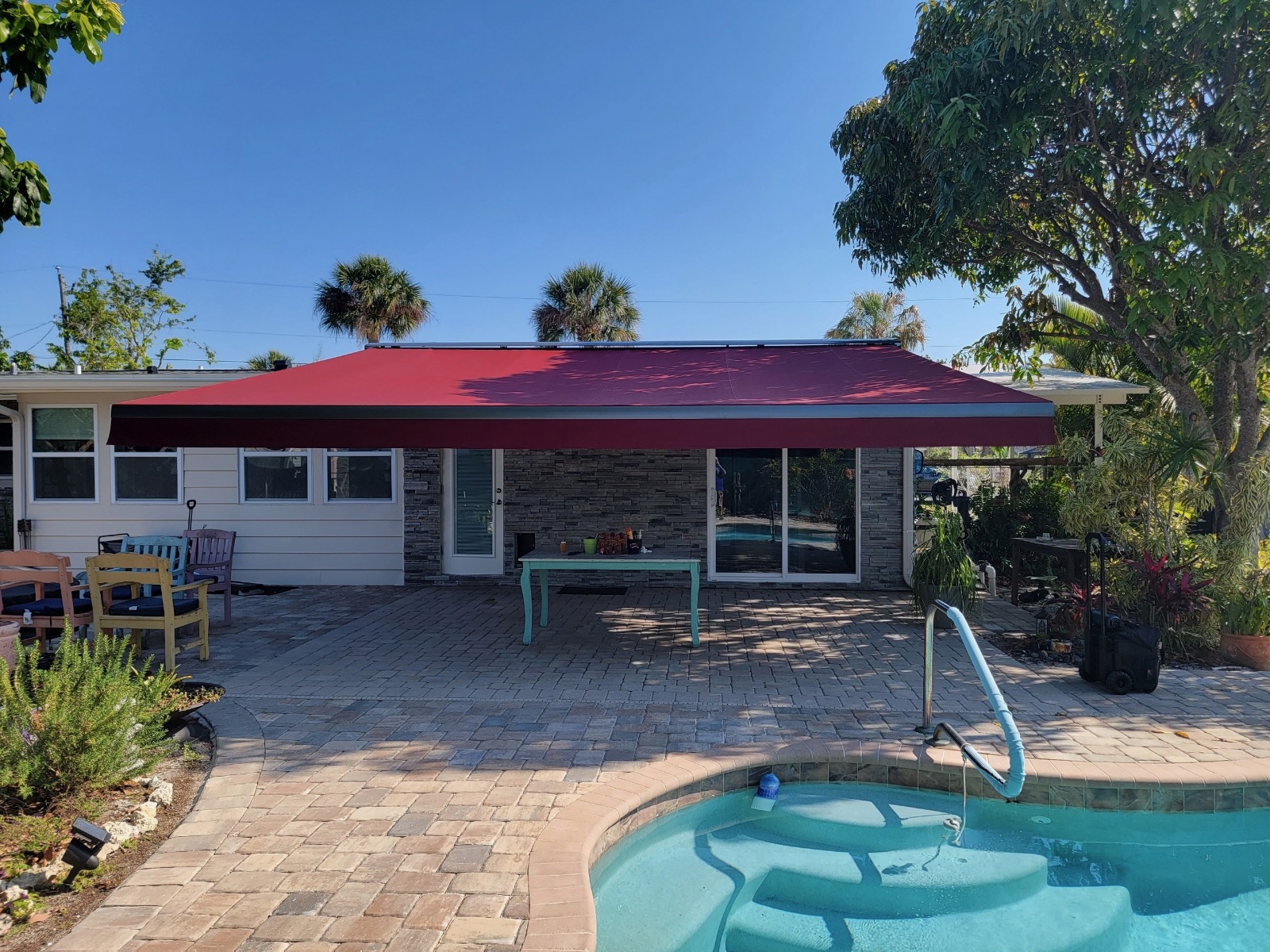
A retractable awning extends when needed and retracts when you want open light, more sky, or protection from wind exposure. Retractable systems can be manual or motorized, though many modern residential and commercial systems are motorized for ease of use.
That basic difference leads to a much bigger difference in how each system performs day to day.
A lot of people think the decision comes down to style. In reality, the awning type changes how the space functions.
A fixed awning is always there. That means constant shade, constant visual presence, and no need to think about using it.
A retractable awning is dynamic. It can create a shaded outdoor room one moment and disappear the next. That flexibility is often what makes it appealing, but flexibility also means there are moving parts, controls, and usage habits that matter.
The better choice depends on questions like these:
Once you answer those questions, the choice becomes much clearer.
Fixed awnings are strongest when you want permanent coverage and consistent appearance.
Because fixed awnings never retract, they provide continuous protection from sun and light weather. This makes them especially useful over:
There is no need to remember to extend them, no concern about battery levels or control systems, and no daily decision-making. If your goal is simple, constant coverage, fixed awnings are hard to beat.
A fixed awning becomes part of the building design. On many homes and businesses, that can be a major benefit. It creates visual depth, adds character, and can make a façade feel more finished.
For businesses, especially boutiques, cafés, and street-facing shops, fixed awnings often contribute to branding and curb appeal. They create a recognizable presence from the street and can help frame signage and window displays.
For homes, fixed awnings can work beautifully over front windows and doorways where you want a classic, stable design element.
Some property owners do not want another system to manage. A fixed awning has fewer moving components involved in everyday use. Once installed, it simply does its job.
That simplicity appeals to people who want shade without having to operate it.
Retractable awnings are strongest when flexibility is the priority.
The biggest advantage of a retractable awning is control. You can extend it during hot afternoon sun and retract it in the morning, evening, or on cooler days when you want more natural light.
This is especially valuable for:
Instead of living with permanent coverage, you can adapt the space to the weather and the moment.
On many properties, a fixed awning would feel too heavy or visually permanent. Retractable awnings allow the structure to remain open when shade is not needed. This can preserve sightlines, keep a space feeling larger, and avoid making the patio feel boxed in.
This is particularly important on scenic properties where homeowners want to preserve a yard, water, or golf course view.
A retractable awning is often a better fit in climates where weather changes throughout the year. You can use it aggressively in the hotter months, then retract it more often during cooler or stormier seasons.
That flexibility can also help reduce wear over time because the awning is not exposed at full projection every day of the year.
Fixed awnings can be excellent for residential use, but they are usually best in specific roles rather than as one-size-fits-all patio solutions.
Fixed awnings often work very well for:
In these locations, the awning is doing a stable, predictable job. It is not trying to adapt to changing entertainment needs. It is simply providing dependable coverage.
A fixed awning may be less ideal when:
On homes where the outdoor living space is a major lifestyle zone, retractable systems often offer a better long-term fit.
Retractable awnings are usually the stronger choice when the outdoor area is a true living or dining space.
Retractable awnings are especially effective for:
These are spaces where homeowners want options. Sometimes you want full shade for lunch. Sometimes you want open air in the evening. Sometimes you want to block afternoon heat without permanently darkening the area.
Homeowners often care about lifestyle flexibility more than constant coverage. A retractable awning gives you that. It also pairs very well with vertical shading systems when you need both overhead and side sun control.
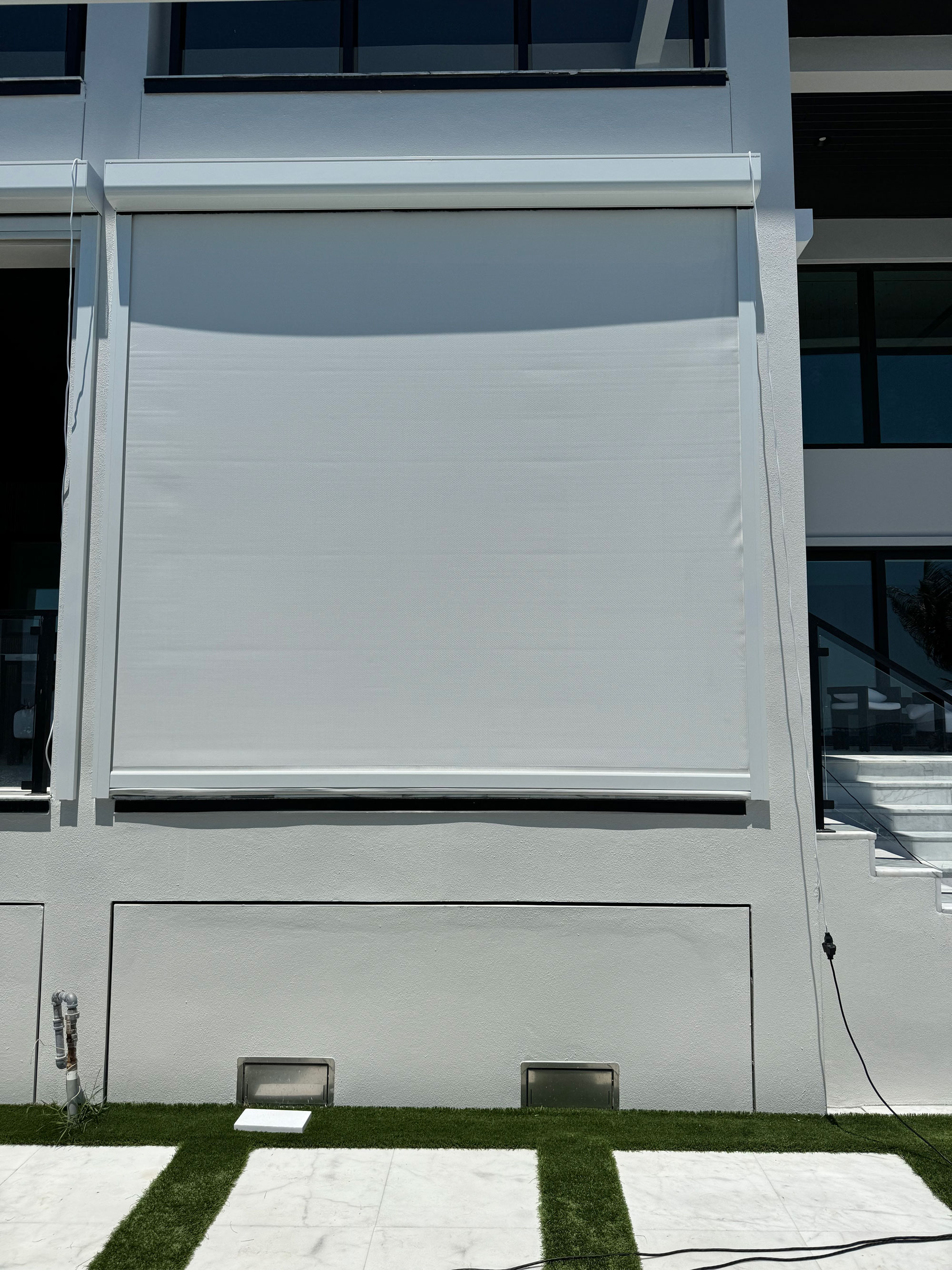
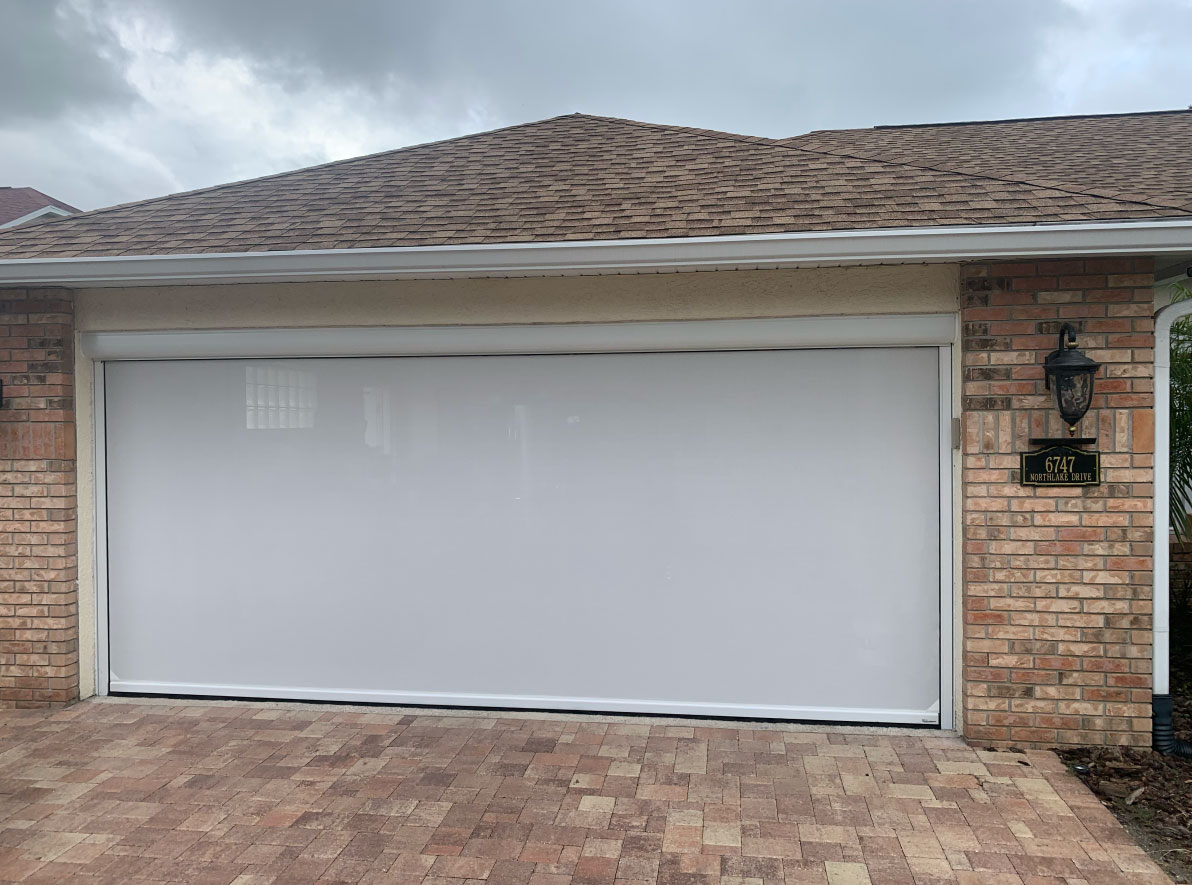
If your outdoor room has strong late-day glare or side exposure, you may also want to look at motorized patio shades or motorized screens so the awning handles overhead sun while the screens manage low-angle light and privacy.
Commercial properties often use fixed awnings because they are visible, consistent, and easy to integrate with the façade.
For storefronts, fixed awnings can:
Because they stay in place, they become part of the identity of the business. That makes them a strong fit for street retail, cafés, and offices where visual continuity matters.
Fixed awnings are commonly a good fit for:
These businesses benefit from constant visibility and constant coverage more than daily flexibility.
Retractable awnings are particularly valuable when customer comfort changes throughout the day.
They are often ideal for:
These are spaces where the business may want maximum shade at lunch, a more open feel in the evening, and the ability to adapt to event timing, crowd flow, and weather.
Restaurants and bars live and die by comfort. If a patio is too hot, too bright, or too exposed, guests leave faster or do not choose it at all. Retractable awnings let the operator shape the environment as conditions change.
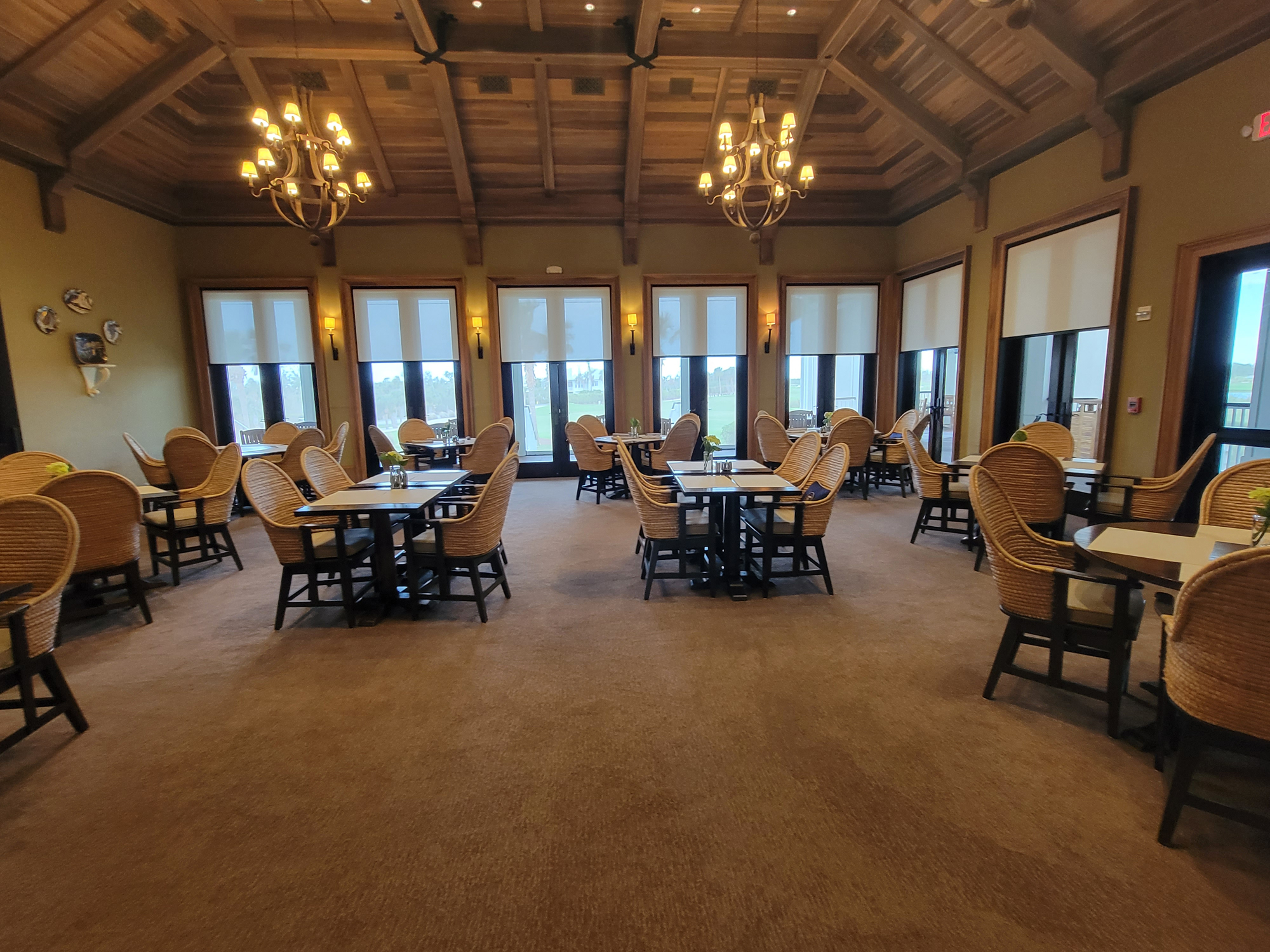
If commercial comfort is the main goal, you may also want to explore commercial shades for spaces where overhead and vertical control need to work together.
A lot of people assume fixed awnings are automatically more durable because they have no retraction mechanism. That is only partly true.
Because fixed awnings remain out all the time, they are exposed to:
Their structure may be simpler in some ways, but they do not get a break from the environment.
Retractable awnings can be protected when not in use. This can extend fabric and component life because they are not constantly exposed.
That said, retractable systems do include moving parts, motors in some cases, and a need for proper installation and care. They are durable when chosen and installed well, but they should be viewed as engineered systems, not casual add-ons.
Fixed awnings usually need:
Because they stay out continuously, they usually collect more grime and weather exposure.
Retractable awnings usually need:
They may require a bit more operational awareness, but they also benefit from reduced exposure when retracted.
For general outdoor system care, West Shore Shade’s Our Work page can also help you visualize how clean, integrated installs are meant to look over time.
This is one of the most important differences.
A fixed awning remains in place during weather events. That means it needs to be designed, mounted, and specified with exposure in mind. It cannot be “put away” when weather changes.
Retractable awnings should be retracted when conditions become unstable. That is one of their biggest advantages. You can protect the system by putting it away before the weather worsens.
This does mean the owner needs a good storm habit. If you want to understand that mindset better, West Shore Shade’s Contact Us page is the best place to ask about how local weather and site exposure affect awning recommendations for your property.
They become part of the elevation. That can be beautiful when the style is right. They tend to feel more traditional, more anchored, and more architectural.
They can provide a cleaner look when closed and a dramatic transformation when open. On many homes, this makes the outdoor space feel more adaptable and more refined.
The best-looking system is usually the one that feels like it belongs on the structure, not the one with the longest feature list.
Exact pricing varies by size, fabric, controls, and installation conditions, but in general:
The better question is not just “Which is cheaper?” It is “Which gives me the value I actually need?” A less expensive fixed awning is not a bargain if what you really need is flexibility. A retractable system is not worth the premium if you want constant shade and never plan to change the setting.
In real projects, the best solution is often not awning-only thinking. Many homes and businesses do better when awnings are coordinated with other shade systems.
For example:
That is why it helps to think about the whole comfort strategy, not just the product category.
For Tampa Bay patios and outdoor dining, retractable awnings usually win because you can extend them for sun and pull them in before summer storms or strong wind. Fixed awnings still fit well over windows, doors and storefront entries where you want steady coverage and a permanent look every day.
Homeowners in St. Petersburg, Palma Ceia and Bayshore often want patio shade in the afternoon and open sky in the evening. A retractable awning gives both. Because thunderstorms build quickly from June through September and hurricane season runs June 1 through November 30, being able to retract the fabric and store it is a real advantage for long-term care.
Businesses face a slightly different choice. A restaurant patio in downtown Clearwater or along the beaches benefits from retractable shade that adjusts for lunch and dinner service. A shop or office entrance may prefer a fixed awning that shades the door and windows all day. Salt air near the Gulf and the bay is a factor either way, so materials and simple upkeep matter.
A retractable awning is usually better for restaurant patios because conditions change between lunch, sunset and evening service. Staff can extend it for sun and retract it when wind picks up or a storm approaches. Pairing it with side screens can help with low sun and bugs as well.
Retract a retractable awning early, well before strong wind arrives, and turn off any automatic schedules. Awnings are designed for shade and comfort, not storm protection. For fixed awnings, follow your installer's guidance and have the frame checked after severe weather if anything looks loose.
Often it can, but approval may be required. HOAs in North Tampa and Pasco and many commercial property managers review color, style and placement. Our team can help you with product specs, fabric samples and drawings so your request has the documentation the reviewers need.
Whether you are shading a backyard or a storefront, start with a free in-home or on-site consultation. We measure and give you a quote in person after measuring. Explore Sunesta retractable awnings and commercial shade solutions, call (813) 252-6813, or request your consultation online.
No pressure and no guesswork. One local team takes you from first call to final install.
Call (813) 252-6813 or send a quick form. Tell us what you want to shade and we will set a visit time that works for you.
We measure your space, bring real fabric and finish samples, and give you a detailed, no-obligation quote. Prefer to see it first? Walk into our Gibsonton showroom.
Our own crew installs. No subcontractors. Every job carries an itemized warranty, including a lifetime warranty on tubular motors.
Financing available through Enhancify. Serving Tampa Bay, Sarasota, Bradenton & Venice.
Seen something you like?
Every West Shore Shade quote is done in person, because every opening is different. Tap what you’re interested in and answer a few quick questions so we arrive prepared. A real person from our Gibsonton showroom calls to set up your free visit.
Custom-measured, professionally installed, and backed by a lifetime motor warranty. No pressure, no obligation — just a straight answer on what your space needs.
Call (813) 252-6813Pick your product, leave your number, and we'll call to set a time. No pressure, no obligation.
A West Shore Shade specialist will call you shortly to set your free in-home estimate. Need us sooner? (813) 252-6813
Prefer to talk? (813) 252-6813
“From the first consultation to final installation, the experience was seamless. Our Tampa patio now feels like a luxury retreat.”
“The motorized screens work flawlessly and look amazing. The team was professional, punctual, and so easy to work with.”
“The quality is top-notch and the installation was quick and clean. Highly recommend West Shore Shades.”