Backed by a Lifetime Motor Warranty.
.svg)


South facing rooms receive the most consistent sunlight throughout the day.
Unlike east-facing rooms that mainly deal with morning light or west-facing rooms that struggle with afternoon glare, south-facing spaces experience prolonged daylight exposure for hours at a time.
That creates several common problems:
At the same time, south-facing rooms are often the brightest and most desirable spaces in a home. The goal is not to eliminate sunlight completely. The goal is controlling it without making the room feel dark or closed off.
The best window treatments for south-facing rooms balance:
For homeowners exploring custom shading systems for high-sun environments, see Motorized Interior Shades.
Solar shades are usually the best all-around solution for south-facing windows because they reduce glare and heat while still preserving natural daylight.
Solar shade fabric filters sunlight instead of blocking it entirely.
This reduces:
While still allowing:
For a deeper explanation of openness percentages and solar fabric performance, read Patio Shade Fabrics Explained: Openness, Color, Heat.
South-facing rooms often become the warmest rooms in the home because sunlight continuously heats the glass.
Cellular shades help reduce this effect by trapping air inside honeycomb-shaped pockets.
The trapped air layer slows heat transfer between:
Some homeowners want to soften sunlight without noticeably darkening the room.
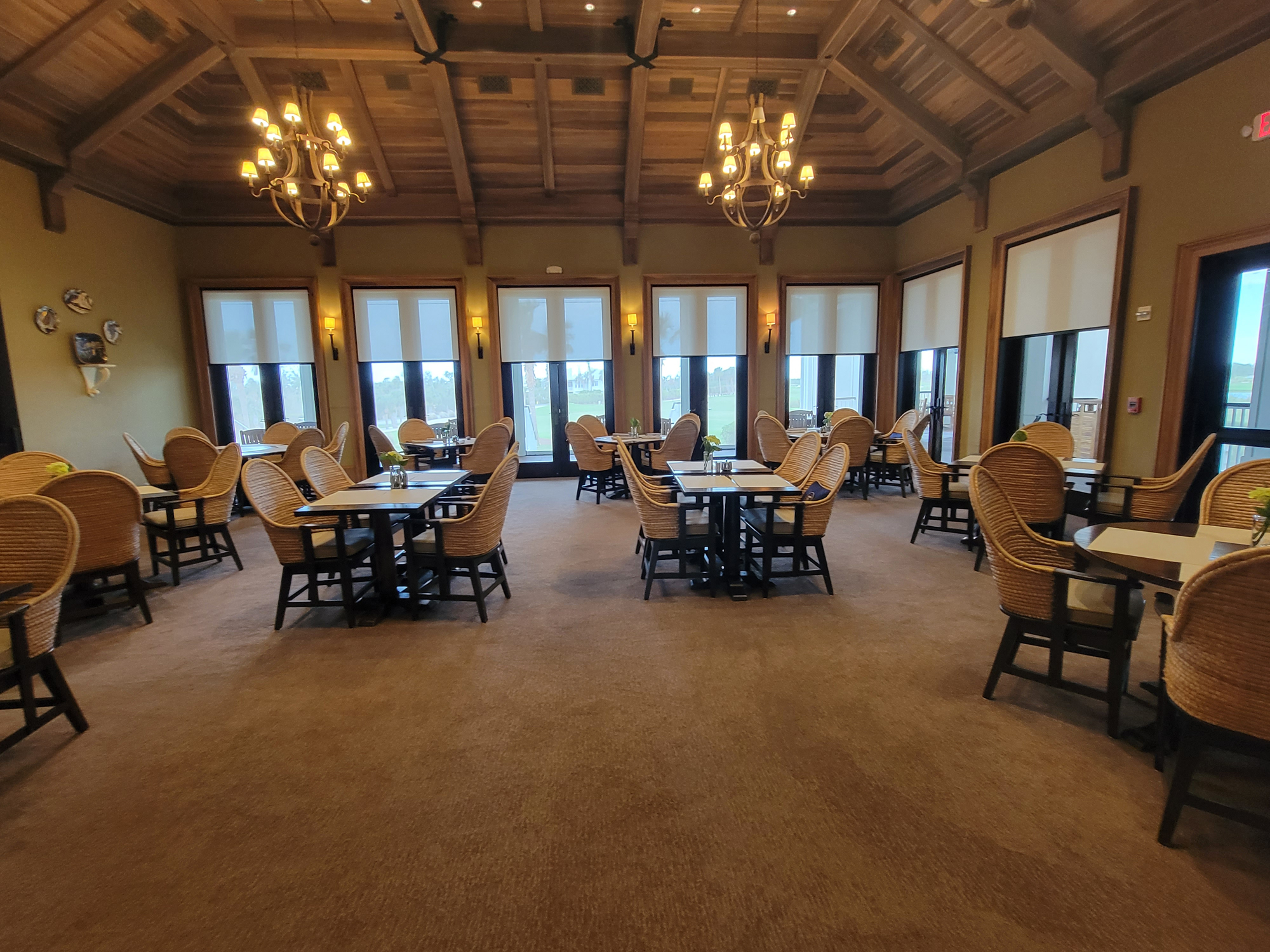
Light filtering roller shades work well because they diffuse incoming light evenly.
Light filtering fabrics provide less heat reduction than darker solar fabrics or cellular systems.
For homes prioritizing daylight and airy interiors, this tradeoff is often worth it.
South-facing rooms with large windows sometimes require stronger light control, especially in:
Room darkening shades reduce:
Using room darkening shades all day may make bright south-facing spaces feel unnecessarily closed off.
For many homes, layering systems provides better flexibility.
South-facing rooms experience shifting sunlight angles throughout the day.
Manual adjustments become inconvenient because light conditions change constantly.
Motorized shades solve this problem automatically.
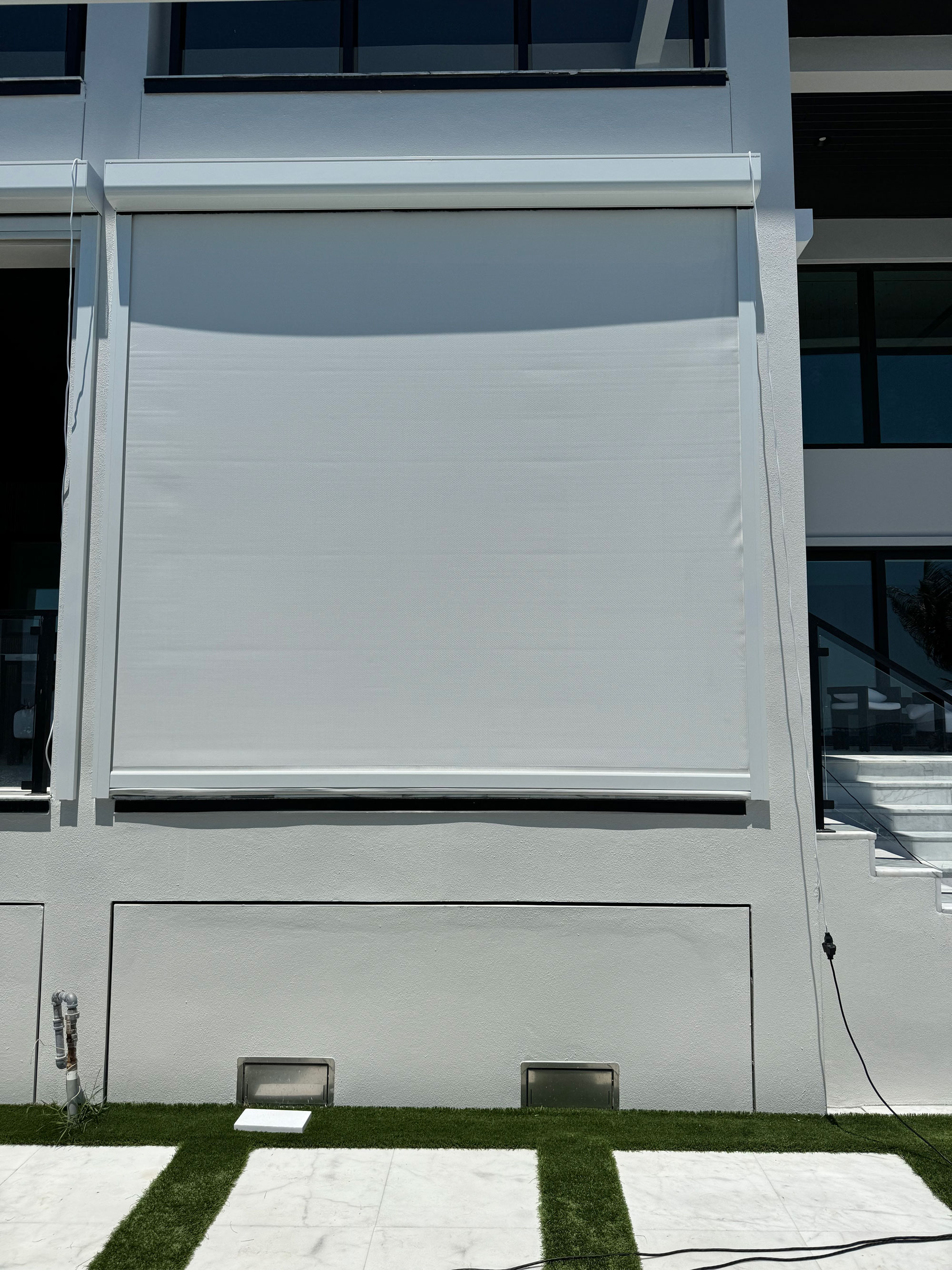
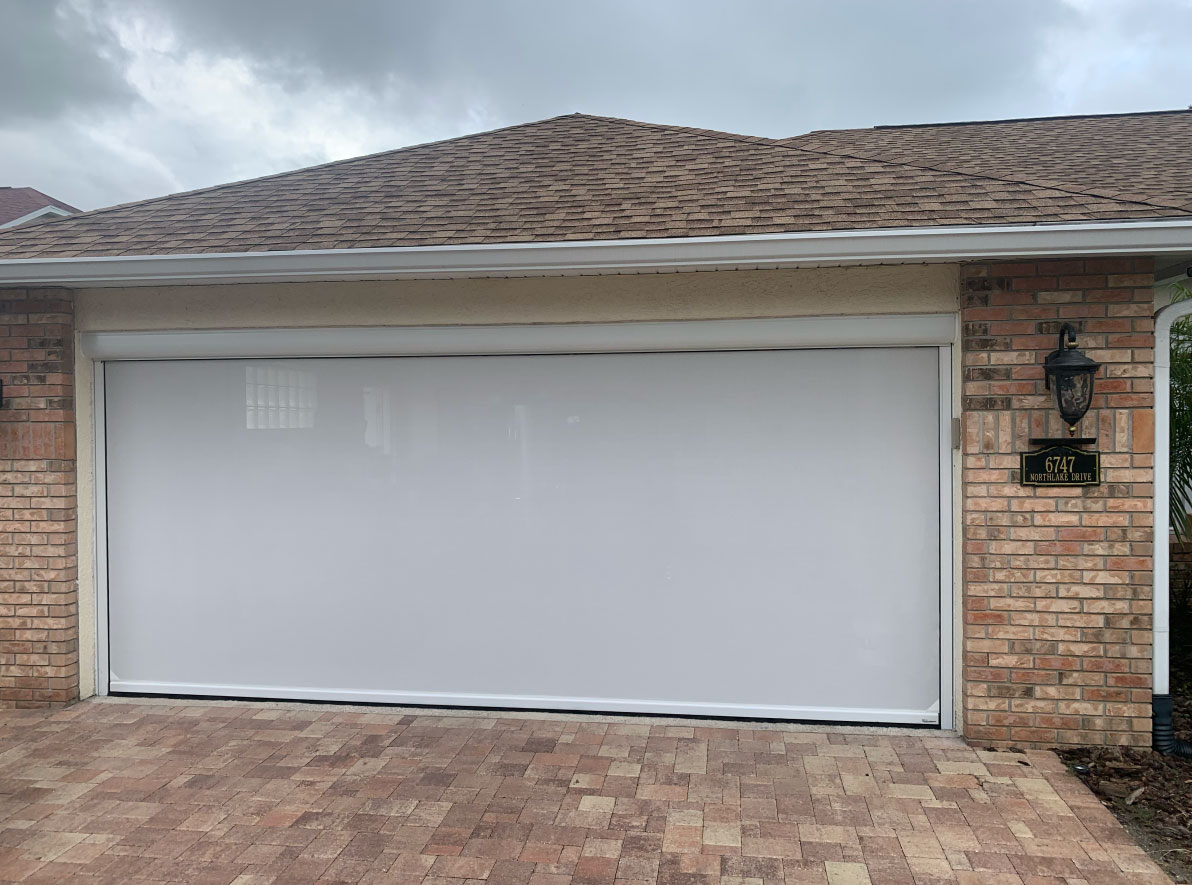
Interior treatments manage sunlight after it enters the glass. Exterior shades stop sunlight before it reaches the window.
This dramatically improves cooling performance.
They reduce:
Exterior solar shades + interior light filtering systems
This layered setup maintains daylight while dramatically improving heat control.
For cooling-focused strategies, see Energy Savings With Exterior Shades in Hot Climates.
Drapery works especially well in south-facing rooms because prolonged sunlight can make hard-lined spaces feel visually harsh.
Use drapery as a secondary layer instead of the primary heat-control system.
This preserves flexibility throughout the day.
Color affects:
They diffuse strong sunlight more evenly without creating harsh reflected brightness.
Bright white fabrics can sometimes increase visual glare in extremely sunny rooms.
South-facing rooms rarely perform best with a single shade layer.
The highest-performing setups combine multiple systems.
Each layer solves a different problem:
This creates far more flexibility throughout the day.
Automation becomes more valuable in south-facing rooms because sunlight remains consistent for long periods.
This reduces:
South-facing sunlight is often too intense for sheer-only systems.
Brightness is not the only problem. Solar heat gain dramatically affects comfort.
South-facing rooms are valuable because of natural light. Blocking all daylight wastes that advantage.
Sun conditions change constantly throughout the day.
Large sun-facing windows need functional heat and glare management first.
Light-filtering solar shades with motorization
Preserves views and natural daylight.
Room darkening layered systems
Improves screen visibility and glare control.
Exterior solar shades + cellular shades
Maximizes heat reduction and cooling efficiency.
Recessed motorized roller systems
Maintains clean architecture and automation flexibility.
South-facing glass receives prolonged solar exposure compared to:
This means:
Proper window treatments significantly reduce these long-term issues.
The best window treatments for south-facing rooms balance:
For most homes, the best overall solution combines:
The larger and brighter the room becomes, the more important:
When properly designed, south-facing window treatments improve:
For professionally designed shade systems tailored to high-sun Florida homes, explore West Shore Shade.
Seen something you like?
Every West Shore Shade quote is done in person, because every opening is different. Tap what you’re interested in and answer a few quick questions so we arrive prepared. A real person from our Gibsonton showroom calls to set up your free visit.
Custom-measured, professionally installed, and backed by a 10-year motor warranty. No pressure, no obligation — just a straight answer on what your space needs.
Call (813) 252-6813Pick your product, leave your number, and we'll call to set a time. No pressure, no obligation.
A West Shore Shade specialist will call you shortly to set your free in-home estimate. Need us sooner? (813) 252-6813
Prefer to talk? (813) 252-6813
“From the first consultation to final installation, the experience was seamless. Our Tampa patio now feels like a luxury retreat.”
“The motorized screens work flawlessly and look amazing. The team was professional, punctual, and so easy to work with.”
“The quality is top-notch and the installation was quick and clean. Highly recommend West Shore Shades.”